


• Experts at a conference in Accra unanimously agreed on how this can be achieved
• The conference was organized by IFRIG, an Accra-based research institute
Islamic Finance can be a gamechanger in helping to tackle Ghana’s rising public debt. This was the unanimous view of experts who made submissions at an international forum held in Accra last week.
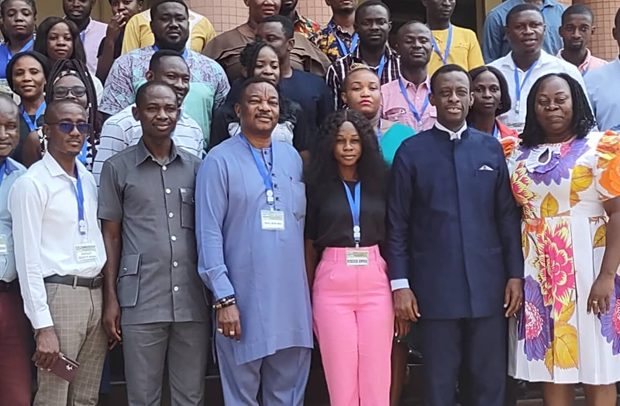
The experts drawn from Ghana and Nigeria met at the Conference Hall of the National Mosque at Kanda for the second edition of an annual Islamic Finance gathering.
The 2021 Islamic Finance International Conference, IFIC, was organized by the Islamic Finance Research Institute Ghana (IFRIG), an Accra-based entity that is leading advocacy in the area of the viability of Islamic Finance.
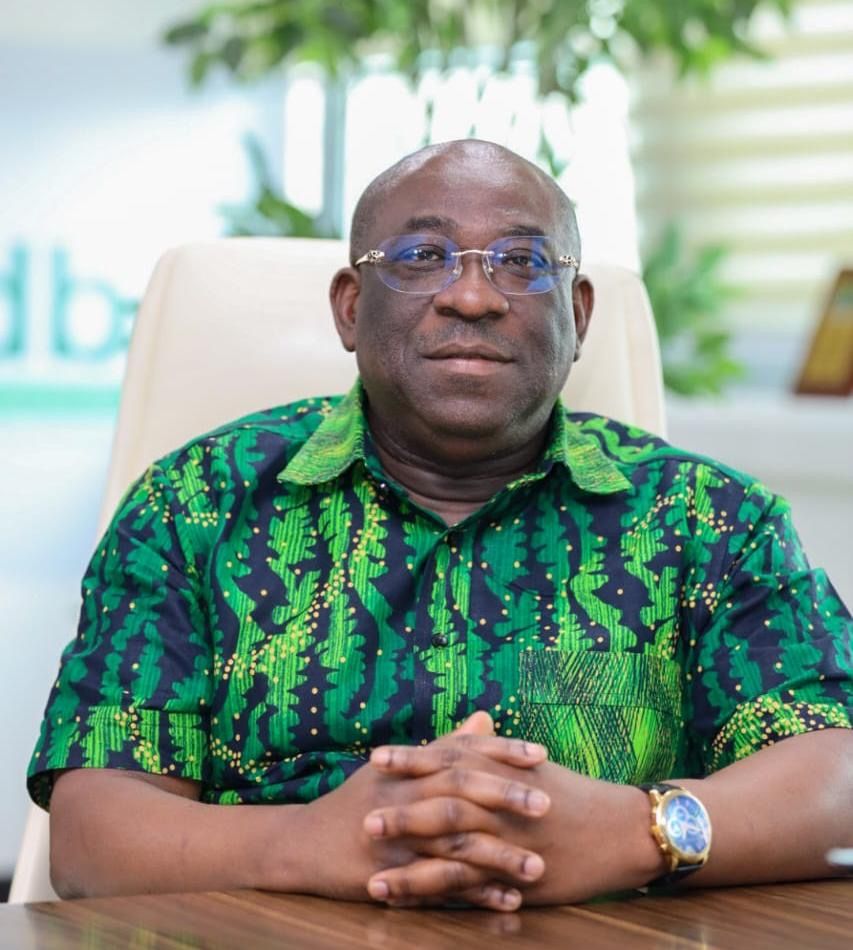
The main presentation for the day was by Prof. John Gatsi, Dean of the University of Cape Coast’s School of Business.
In his presentation titled: “Islamic Finance: A Timely Solution to the Rising Public Debt in Ghana,” Prof. Gatsi stressed the role that alternative finance systems could play in expanding the financial inclusion landscape.
He reiterated a view that he has long advocated, that Islamic finance in and of itself cannot singlehandedly eradicate public debt but will help greatly to close the public infrastructure gap with project funding and by that reduce the debt burden.
“If you read our constitution's definition of public debt, it includes accrued interest on previous debt, that is the conventional part. But Islamic Finance says no. Don’t mention interest, talk about profit sharing and equity engagements."
Prof. Gatsi explained further that available legislation gave windows for incremental implementation of Islamic finance products citing the Public-Private Partnership Act, 2020 (Act 1039).
He singled the Islamic bonds known as ‘sukuuk’ as a critical infrastructure development avenue that government can look to.
On the specific issue of advocacy for Islamic Finance, he tasked IFRIG and other like-minded outfits to work towards demystifying the subject of Islamic Finance, especially to clear the notion that adopting it for example will lead to Islamization of the country.

Other Ghanaian experts who made presentations included Mr. Fawzi Mohammed of GM Ambassadors - a veteran Islamic Finance advocate and Prof. Naail Mohammed Kamil Dangigala of KNUST.
The Nigerian contingent also shared experiences from how Africa's most populous nation came to introduce Islamic Finance.
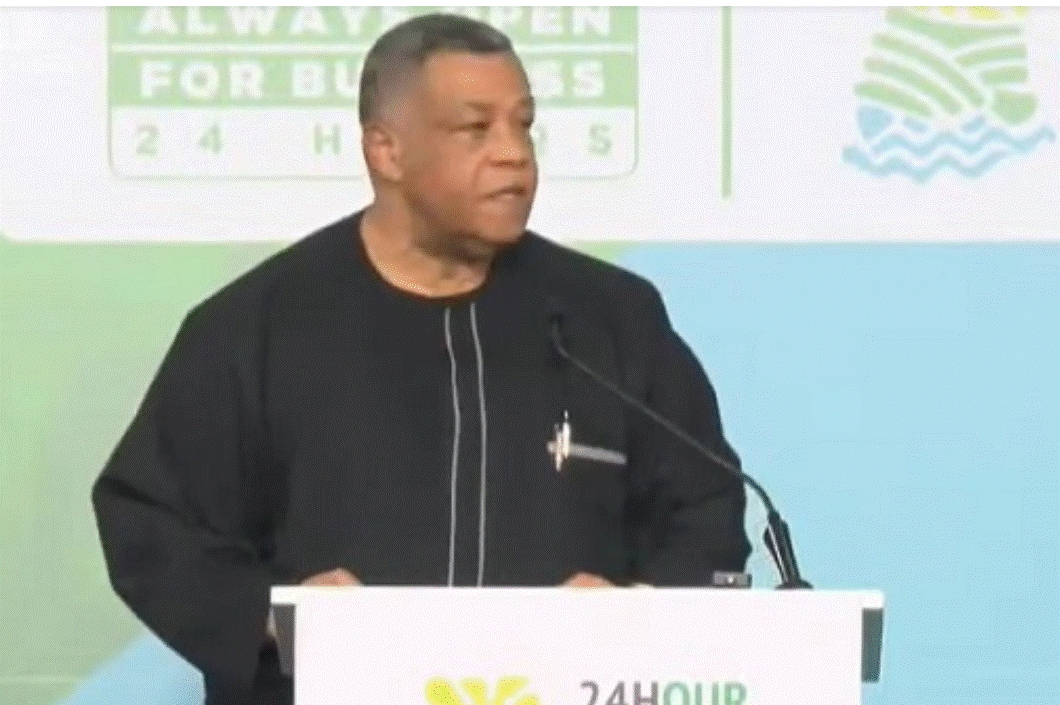
They included Mallam Attahiru Maccido, CEO of One17 Capital; Dr. Kabir Kabo Usman, Director-General of the International Centre for Islamic Culture and Education and Dr. Bashir Aliyu Umar who delivered his presentation on 'The Fundamental Principles of Islamic Banking and Finance," via video.
Shaibu Ali, Director-General of IFRIG, on his part expressed satisfaction with how the conference went generally.
"This was a step up from where we left off last year with the maiden conference at the Omanye Hall of AMA. We are exceedingly happy at how today's event went.
"We are happy with the local organizing committee and more so with our international partners who travelled despite COVID-19 exertions. We are grateful to our Nigerian guests and are yearning to start work towards the 2022 edition," he added. Read Full Story










Facebook
Twitter
Pinterest
Instagram
Google+
YouTube
LinkedIn
RSS