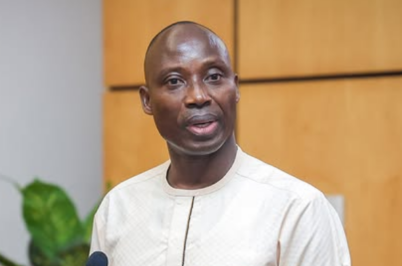
President John Dramani Mahama has commended the Seventh-Day Adventist (SDA) Church for its contribution to national development. In a speech delivered on his behalf by the Greater Accra Regional Minister, Mr Julius Debrah, at a thanksgiving service held in Accra to climax the 125th anniversary of the church, the President lauded the church’s role in education, health and social relief interventions through the Adventist Development and Relief Agency (ADRA). According to President Mahama, the SDA Church, through its activities, had brought relief to many afflicted people in various communities in the country. “Indeed, the church is always with the people whenever help is needed,†he said.  He urged the church members to show brotherly love towards one another to ensure peaceful and harmonious co-existence in the country. The President pledged the government’s commitment to provide an enabling environment for the church to execute its mission in the interest of Ghanaians. The church service was attended by people from other religious groups in the country. Solidarity messages In a solidarity message, the religious bodies praised the SDA Church for its contributions to the development of the country, especially in the area of health care and education. They encouraged the church to not relent in its efforts at saving lives for Christ, particularly at a time when the country and the world were confronted with many socio-political and moral challenges. Speaking on the theme: “Proclaiming living the Christian lifeâ€, the Vice-President of the General Conference of SDA, Pastor Delbert Baker, urged the church to give thanks to God for how far He had brought the church. He encouraged the members to stand firm in the advent faith in times of hardship, saying, “God can take the problems and turn them into blessings.†Development projects Since its inception, the SDA Church has made numerous contributions to the development of the country in the areas of health care, education and social interventions. According to the President of the Ghana Union Conference of the SDA Church, Pastor Dr Samuel Adama Larmie,  the church currently had 675 basic schools, 14 senior high schools, one college of education, three nursing training schools and one university. He also stated that plans were far advanced to establish another college of education in the Agona area in the Central Region. In the area of healthcare delivery, he said the church, under the Adventist Health Service, had established 25 hospitals and clinics across the country. He said the church, for the past 30 years and through ADRA Ghana, had provided relief services for Ghanaians across the country. It had also been very active in the area of food security, improving the skills of farmers to increase food production and many other activities for the benefit of Ghanaians. Â
The Head of the Anti-Human Trafficking Unit of the Ghana Police Service, Superintendent Mrs Patience Ashorkor Quaye, and the Domestic Violence and Victims Support Unit (DOVVSU) have been honoured by the Ministry of Gender, Children and Social Protection for their contribution to the campaign against gender-based violence in the country. The honouring ceremony, which was held in Accra, formed part of activities marking this year’s 16 Days Activism Against Gender-based Violence. Speaking at the ceremony in Accra, the Minister of Gender, Children and Social Protection, Nana Oye Lithur, said DOVVSU had recorded a high number of cases of sexual abuse, particularly defilement of girls.  Nana Lithur further stated that with the support of the Anti-Human Trafficking Unit and DOVVSU, awareness of gender-based violence had been created, leading to increased  reporting of those cases. She was optimistic that more could be achieved, especially now that several laws had been passed to protect women from the subtle forms of gender-based violence.  “I have high hopes that protecting the dignity of Ghanaian women and girls is getting even better as we continue to see improvement in your services through constant capacity building and legal intervention,†she said According to her, “the relentless efforts made by our committed personnel in protecting our women, leading to invaluable outcomes, deserve to be acknowledgedâ€. She pledged the ministry’s commitment to collaborate with the two units to champion the cause of women. In her remarks, Mrs Quaye said as the head of her unit, her ultimate concern was to give her best. She thanked the ministry for the honour done her and dedicated her award to the Ghana Police Service in general and the CID and staff of the Anti-Human Trafficking Unit in particular for their support. The National Co-ordinator of DOVVSU, ACP Elizabeth Dasseh, commended the ministry for establishing the unit. She indicated that though her outfit was facing many infrastructural challenges, it was doing its best to ensure that domestic violence was eradicated. She congratulated her staff on their hard work, adding,“We could not have come this far without them.â€
 The Textiles, Garments and Leader Employees Union (TEGLU) has expressed disappointment at what it calls the “unilateral decision†by the Ministry of Trade and Industry to suspend the operations of the National Anti-Textile Piracy Taskforce. It said without recourse to other stakeholders, a Deputy Minister, Mr Edwin Nii Lantey Vanderpuije, last Wednesday suspended the activities of the taskforce, a development which had emboldened “the perpetrators of the illicit trading activitiesâ€. A statement signed by the General Secretary of the Federation of Labour, Mr Abraham Koomson, said “As far as TEGLU is aware, there is no iota of truth in the allegations by the traders that the taskforce has been violent in the execution of its mandate.†The Ministry of Trade and Industries on Tuesday, December 3 suspended the operations of the Anti-Piracy Textile Taskforce to, according Mr Vanderpuije, allow for a meeting of all stakeholders to streamline its operation. Last Monday A day before the Ministry of Trade and Industries announced the suspension, the taskforce had confiscated 1,035 pieces of pirated textiles, made up of both fancy and wax prints, at the 31st December Market in Accra which it intended to destroy to serve as a deterrent to others. It took the action following threats by workers in the textile industry to go on a demonstration through some principal streets of Accra to draw public and the government’s attention to the impact of pirated imported textiles on the industry and their jobs. The taskforce was set up by the Ministry of Trade and Industry to clamp down on the activities of pirates and tax evaders of textiles. It comprises representatives of the Ministry of Trade and Industry, the Ghana Revenue Authority, textile manufacturing companies and the police. Suspension The TEGLU said it was concerned about and committed to seeking the wellbeing of workers and the citizenry and, therefore, supported moves by the government to build a stronger economy to create jobs. However, the union said it abhorred “measures of government which subvert industrial growth and demonstrate complicity in criminal activities of tradersâ€. Quoting portions of the World Trade Organisation (WTO) Trade-Related Aspects of Intellectual Property Rights (TRIPS) Agreement, the union stated that the law provided that the government of Ghana must protect intellectual property rights and create a congenial environment for manufacturing industries to grow and retain jobs. WTO rules Article 61 of the TRIPS agreement states: “Members shall provide for criminal procedures and penalties to be applied at least in cases of willful trademark counterfeiting or copyright piracy on a commercial scale. Remedies available shall include imprisonment and or monetary fines sufficient to provide a deterrent, consistently with the level of penalties applied for crimes of a corresponding gravity. “In appropriate cases, remedies available shall also include the seizure, forfeiture and destruction of infringing goods and of any materials and implements the predominant use of which has been in the commission of the offence.†Â
 The National President of the Chartered Institute of Marketing, Ghana (CIMG), Mrs Shola Safo-Duodu, has urged organisations to make customer needs a priority in order to achieve success in their business. She said organisations needed to adopt strategies and approaches such as marketing orientation which sought to focus on discovering and meeting the needs and desires of customers.  “Organisations with marketing orientation recognise the importance of placing the needs of customers at the heart of their business and believe that identifying, anticipating and satisfying customer requirements is the quickest and effective way of achieving their long term goals,†she stated. The ceremony Mrs Safo-Duodu was speaking at the CIMG’s 24th Annual Presidential Dinner Dance at the Accra International Conference Centre last Saturday. On the theme, “Marketing: Getting the board on boardâ€, the Presidential Dinner Dance was the last public engagement that brought the CIMG’s activities of the year to a close. The ceremony was also used to induct new members into the institute and recognise candidates who graduated from the Executive School and the Ghana School of Marketing. Customers needs Mrs Safo-Duodu said recent research on small medium enterprises indicated that there was a positive relationship between placing customer needs first and various measures of organisational performance. For instance, she said the marketing orientation when, adopted, would also define a way of conducting business in an environment which focused on the customer and the shareholder’s interest. Therefore, she urged business owners and board members to adopt a marketing orientation approach to enhance their businesses. Equal prominence In addition, Mrs Safo-Duodu called on the board of directors and the executive management of companies to recognise that all levels and departments of organisations were equally important to ensure the success of a business. She indicated that the right board of directors with the right mix of experiences and expertise were also invaluable resources that provided the guidance needed to have an edge in the highly competitive local and global markets. “For marketers to succeed, they must also work co-operatively with the board to oversee the complexity of the function of an organisation and ensure that it continues in the best interest of stakeholders,†she stated. Mrs Safo-Duodu announced that the institute was no longer going to serve as a tuition centre for the Chartered Institute of Marketing, United Kingdom because plans were ongoing to introduce a locally affiliated marketing qualification next year. The Secretary of the National Council for Tertiary Education, Professor Mahama Duwiejua, assured the institute of the council’s support to promote the ideas and enhance the opportunities to train and contribute towards nation building. Â
 Jhpiego, an international non-profit health organisation and an affiliate of the John Hopkins University has presented 251 home visiting bags containing health kits to the Ghana Health Service (GHS), to be distributed to 197 community health volunteers and 54 community health officers in 25 CHPS zones in six coastal districts in the Western Region. The NGO, which is implementing a five-year Supportive Technical Assistance for Revitalising Community-based Health Planning and Services (STAR CHPS), is funded by the Jubilee Partners in collaboration with the GHS. According to Madam Joyce Ablordeppey, Senior Technical Advisor and Team Leader for the STAR CHPS project,  the mission of the programme was to strengthen communities and boost performance and efficiency at CHPS Zones in the coastal districts in the region to increase access to high quality primary healthcare to over a million residents. She said Jhpiego in 2011 received a grant from the Jubilee Partners to work over the next five years to increase access to quality Primary Health Care services in the six coastal districts by improving access to quality integrated health services through the STAR CHPS Project. Madam Ablordeppey said currently Jhpiego was implementing a programme to reduce newborn mortality in Ghana with funding from the Bill and Melinda Gates Foundation. Â
 Over the years, efforts by most countries, including Ghana, to address high maternal and infant mortality rates as a step to meeting Millennium Development Goals (MDGs) Four and Five have yielded some results. Although Ghana has a high maternal mortality rate of 340 per 100,000 live births, there have been efforts to strengthen its healthcare system, with focus on making emergency obstetric care available to women to ensure that more women have supervised delivery and access to antenatal care, and improving immunisation targets to reduce preventable child deaths. However, the challenges of inadequate access to healthcare, institutional problems resulting from inadequate infrastructure and human resource;  institutional delays; and socio-cultural problems still undermine efforts to provide quality healthcare to women and children, particularly in the rural areas. According to the Vice President and General Manager, Philips Healthcare Africa, Mr Peter van de Ven, the company has launched a campaign known as the Fabric for Africa to promote strategic partnership with organisations, governments and relevant ministries to provide innovative solutions that can deal with the complexity of healthcare in Africa, adding that the increasing focus is on maternal and child health. Media Briefing Speaking at a regional media session with a group of six media representatives from Africa at the just-ended 99th Annual Meeting of the Radiological Society of North America (RSNA) at the McCormick Place in Chicago in the US, he said presently in East and West Africa, Philips was taking a long-term approach aimed at fostering collaboration with local and international partners that have strong engagement in the issues of healthcare. Mr de Ven said the organisation was working with the Ghana, The Gambia, Nigeria and Kenya governments to revitalise medical facilities and refurbish obstetric and newborn care units to make maternal health sustainable. Responding to a question as to whether Philips was making an impact in the areas mentioned, he said the company had a mission to grow in Africa and was also committed to continue collaborating with African governments to strengthen healthcare systems to meet the growing needs of the people, particularly those in the rural communities, to ensure that people have immediate access to healthcare in areas where they were located, to ease pressure on facilities in the urban centres. Philips in Africa He said Philips held a leading position in Africa, which he described as having the fastest growing market. He added that apart from its support to build medical facilities, the organisation also undertakes training programmes for healthcare staff in the use of ultrasound equipment and also trains clinical staff to develop an innovative approach to medical care to ensure that patients have access to the best possible care with the lowest possible cost. Mr de Ven said it was necessary to think of how to reduce mortality resulting from non-communicable diseases like cancer, diabetes, stroke and hypertension, trauma and mother and child’s poor health and also use innovative technologies to develop a more patient-friendly approach to healthcare. Â
After going through a 10-day intensive workshop designed to equip them with new techniques in fashion design and dressmaking, 20 fashion designers from the Afigya Kwabre district have graduated with an assurance to use their new  techniques and skills to improve their livelihood. The workshop, organised by the Afigya  Kwabre Business Advisory Centre (BAC) with financial support from the Rural Enterprise Programme (REP), saw the beneficiary fashion designers going through patterns, shapes, finishing, and traditional  and western designs. The beneficiaries, who can now design both African and Western styles for both males and females with finesse, are bubbling with confidence to use their newly acquired skills to expand their businesses. Ms Grace Afriyie, one of the beneficiaries, told the Daily Graphic  that the workshop had not only improved her technique in designing African wear, but had also improved her finishing style. “I am returning home full of confidence because with the skills acquired,  I will be able to provide the requisite service to my clients with the view to marketing my operations. Very soon, the people in my community will appreciate my handiwork, and will soon flood my shop with materials†she said. Ms Evelyn Donkor, another beneficiary, was sure of imparting the newly acquired skills to her apprentices as a way of winning more customers. Commending the Afigya Kwabre Business Advisory Centre(BAC) for their facilitation role, and the Rural Enterprises Programme for the financial support, in making it possible for them to acquire new techniques in fashion design, Ms Donkor  said  the skills and knowledge acquired would help the development of their businesses,  increase their income, create employment and improve their livelihoods. Addressing the graduands during the closing ceremony, the  Afigya Kwabre District head of BAC, Ms Marina Serwaah Kusi,  urged the beneficiaries to use their newly acquired skills to woo more customers. She also advised them to be more responsive to the needs of their clients by designing their materials on the scheduled time to win their confidence of the customers.
 A youth centre to empower young people to create positive social change that will help in the socio-economic advancement of the country has been inaugurated in Tamale. The centre, which is referred to as Global Platform (GP) was established through the collaborative efforts  of Action Aid Ghana (AAG) and Action Aid Denmark, both non-governmental organiations (NGOs). Speaking at the opening ceremony, the Board Chairperson of Action Aid Ghana, Madam Marilyn Aniwa, said there were other global platforms in Tanzania, Nepal, El Salvador, Jordan, Kenya and Myanmar where approximately 4,000 volunteers and professionals were trained every year. She said all the platforms were founded on experimental and participatory learning techniques that had evolved from the Danish folk high school system and Action Aid Denmark’s focus on empowerment and social change. “The global platforms create social change through training, capacity support, mentoring, networking, cultural exchange and incubation of young people with innovative ideas,†she added. She said the GP in Ghana would be more than just a training centre, as it would focus on girls and young people in AAG local rights programmes in the Northern, Upper East and West, Brong Ahafo, Volta and Greater Accra regions by creating spaces for innovation, solidarity, cultural exchange and growth in a myriad of ways. “The platform will also provide support for other civil society organisations, metropolitan, municipal and district assemblies and regional co-ordinating councils,†she added. The Deputy Country Director of AAG, Mr Yakubu Mohammed Sanni, said training at the global platforms were developed around topics such as governance, human rights, global citizenship, campaign management, youth mobilisation, social entrepreneurship, volunteerism, communication and new media tools, participatory techniques, project planning and many more. He said the global platforms aimed at being “social laboratories†where dynamic young people could explore and develop methods of changing their communities for the better. He said the platforms also sought to be a catalyst for social and political empowerment by inspiring young people to realise their ability to positively change their lives and those of the people in their communities. The Northern Regional Manager of AAG, Madam Esther Boateng, expressed her gratitude to all stakeholders who had played various roles to make the establishment of the centre a reality. She said what started as a dream between AAG and Action Aid Denmark to establish a world class training centre to empower young people had finally become a reality and expressed optimism that the centre would create the desired change in society. Â
 The Ministry of  Fisheries and Aquaculture Development  is  developing a National Aquaculture  Guidelines  and Code of  Practice to  set minimum standards  for operators  in the aquaculture value chain and also prevent any possible negative impact of  aquaculture  on the environment . Part of the guidelines  will include the  minimum size of  fish to be sold as  fingerlings, minimum distances  between farms  to avoid  spread  of diseases and safeguard  investment  and  also ensure  minimum  amount  of  dust or smaller  particles  to be contained  in a fish feed. The minister,Mr Nayon Bilijo, stressed that ‘in fact every aspect of fish farming would be comprehensively covered  in the guidelines  to help provide  good, safe ,hygienic  fish food for the populace’.  The Minister who  was addressing the first Annual General Meeting of the Ghana Aquaculture Association (GAA) at Akosombo, therefore, appealed to operators in the fish farming industry to comply  with the regulations of the implementing agencies. He explained that  destruction of  water bodies by galamsey operators  was of concern and, therefore,  would not encourage fish farmers to disobey the rules. Mr Bilijo announced that the implementing agencies include the  Fisheries Commission which would set the standards  required to make aquaculture sustainable  while  the Environmental Protection  Agency  would ensure  that the aquaculture  had no detrimental effect  on the environment. He commended them for forming a unified front to fight for their needs  and called on them to continue to be together avoiding any splinter groups Members  appealed to the  government to  commit funds to develop  marketing  systems and structures for  small and  big  producers  of  the industry . According to them, though the  Ghana National Aquaculture  Development  Plan (GNADP)  targets production of 100,000 metric tons of farmed fish  per annum , yet the industry in Ghana was able to produce  30,000 metric tons which they were not able to sell . The imported tilapia,  according to the fish farmers  were bigger in size and sold cheaply. The Chairman of the  Association , Mr Jacob Ainoo- Ansah,  attributed the  inability of members to sell  their fish to the influx of an alleged  cheap and seemingly bigger  tilapia into the country . He said ‘we are immediately concerned with illegal  importation of fish into the country’.  Mr Ainoo-Ansah,  therefore, called for support from the government to open up the industry to become competitive . A major producer of fish feed , Raanan Fish Feed Limited  organised a workshop for the  fish farmers  as part of the general meeting . The  Commercial  Director  and Aquaculture expert  at the Raanan  Fish Feed Producers , Mr Jacques Magnee,  took members through  fish farm management  to achieve good quality fingerlings  and how they could  solve major challenges in the industry. Mr Magnee advised  the fish farmers to improve on performance to lower cost of production in order to be more competitive and rather increase production  and benefits. Â
 A 27-year-old man, suspected to be a member of a group of land guards, who shot and killed a worker of Sally Properties has been arrested. The suspect, Daniel Adjei, attempted to flee with his colleagues but was arrested by the workers of Sally Properties, owners of the land. The body of the deceased, Sulley Amartey, 26, has since been deposited at the Police Hospital mortuary. Deputy Superintendent of Police (DSP) Mr Freeman Tettey of the Public Affairs Department at the Police Headquarters told the Daily Graphic that the remaining suspects managed to run into the bush. They are currently at large. Adjei is said to be assisting the police to track down the other members of the group. Friday shooting incident  Amartey was killed by land guards, while five others sustained various bullet wounds. Amartey was confirmed dead when he was rushed to the Amasaman Government Hospital. Those who were injured have been identified as Amartey Boiboi, Amarlai Amarkai, Musah Amartei, Ali Darku and Ottu Darku, who were treated and discharged. The deceased and the others were erecting pillars on a plot of land when land guards opened fire on them. According to the Managing Director of Salley Properties, Mr Ibrahim Salley, who led four of the five injured workers to the offices of the Daily Graphic, after an initial confrontation between his workers and about eight land guards who had arrived at his site on motorbikes, the latter left and later emerged from the bush to open fire on the workers. The fifth injured person was said to be in critical condition and could not join the others to the offices of the Daily Graphic. The genesis of the land issue Briefing the Daily Graphic, Mr Tettey said police investigations revealed that the said land had been a major bone of contention between Sally Properties and a man whose name was only given as TJ. He said in 1982, the chief and elders of Ayikai Doblo sold the 784-acre land to Sally Properties but one of their own family members, TJ, opposed the sale of the land. According to Mr Tettey, TJ started warning the management of Sally Properties not to step foot on the land, adding that the issue was taken to the Property Fraud Unit. He said after the unit had sat on the matter and came out with its findings, TJ was warned never to step foot on the land or he would face the law. Â
An Accra-based businessman and philanthropist, Mr George Kwame Aboagye aka Oluwa, has donated 20 street light bulbs and their fittings worth GH¢5,000 to the people of Akyem Asene, near Oda, in the Eastern Region. Making the presentation at a ceremony at Asene, Mr Aboagye said his gesture was in response to an appeal made to him recently by the assembly member for Asene, Madam Janet Korankye. He urged the people of Asene not to hesitate to call on him whenever they needed assistance. According to Mr Aboagye, he had constructed a concrete bridge for the Akyem Akroso community at a cost of GH¢45,000 to enable the people to move from the old to the new township and vice-versa. Mr Aboagye stated that he was constructing a modern computer centre for the Atweaman Senior High School (SHS) at Akyem Monso. Madam Korankye, who received the gift, praised the gesture of the donor.
France has pledged to support Africa’s economic development with 20 billion euros over the next five years. Consequently, France has decided to set up a France-Africa Foundation to provide technical assistance, strategies and plans for assisting Africa's economic development, including financial support.It has also promised to support the setting up of an African stand-by force with training and other technical assistance.These were part of the decisions that France reached with African heads of state and government at the end of the Élysée Summit for Peace and Security in Paris, France, on Saturday.Economic partnershipA communique adopted at the end of the summit said the Heads of State and Governments affirmed their determination to modernise their relationship with France to spur on economic exchanges."They emphasised the need to promote quality growth, which creates jobs, based on the balanced mobilisation of physical, human and natural capital."They encourage a sustainable economy based notably on renewable energy sources and making good use of the oceans," the communique said.Security On security, the communique said the heads of state and government called for a reform of the UN Security Council to increase the role of Africa in the framework of an enlarged Council.They also welcomed the considerable progress made by the African Union implementing African peacekeeping operations in Mali, the Central African Republic (CAR), Somalia, Guinea Bissau and Burundi.It said the heads of state highlighted the importance of building African crisis response capacities, and called for a major increased predictability in the financing of African peacekeeping operations.Climate changeAccording to the communique, the leaders called for a binding agreement on climate change, which would apply to all countries and must enter into by 2020.They stressed the need for a balanced climate agreement in Paris in 2015, focusing on subjects including mitigation and adaptation, finance, technology transfer as well as capacity building.President MahamaSharing his views on the summit in an interview with journalists in Paris, France on Saturday, President John Dramani Mahama said the issue of the Economic Partnership Agreements (EPA), which at the summit zeroed in on West Africa in particular, was very important.For instance, he said, in West Africa, Ghana and Côte d'Ivoire were the two countries that had taken the initial steps towards ratifying an interim partnership agreement."That is because Ghana and Côte d'Ivoire are the largest exporters into the European Union market and stand to suffer the most if EPAs are not ratified," he said.Happily, President Mahama said, the common external tariff was agreed at the last ECOWAS Summit in Dakar, and indicated that an impetus was given to negotiate the EPAs."So currently, as far as I am informed West Africa has made a market access offer to the EU, which is currently under negotiation."So my hope is that by next year before the deadline, which is October, 2014, we should be able to negotiate a regional agreement rather than Côte d'Ivoire and Ghana unilaterally going ahead to sign the EPAs," he said.On security, President Mahama said the support offered by France in peacekeeping operations in Africa was welcome, and that it did not constitute any neo-colonial interference."The point I make is that we live in what is called a global village now, and what happens in one part of the globe affects the other," he said.
The Vice Presidential Candidate of the Convention People’s Party (CPP) in the 2012 general elections, has described as “a mockery to farmersâ€, the annual farmers’ day celebration which is observed as a public holiday. In a statement, Nana Frimpomaa II said the day has been wrongly celebrated over the years and is therefore calling for a total overhaul of the system to give significance to the day. According to her, it is a mockery because on Farmer’s Day the farmer is on the farm and cannot afford to take a day off. “We should ask ourselves, how we can improve the lives of our farmers who even on Farmer’s Day, have been producing to keep us alive over these years. What can we do as citizens to support, when on Farmer’s Day farmers cannot afford to take a day off? By asking some of these important questions, we will get the right answer to begin something good for the farmer,†she stated.Below is the full statement The Vice-Presidential Candidate of the Convention People’s Party in the 2012 general elections has stated that farmer’s day has been wrongly celebrated over the years and is therefore calling for a total overhaul of the system to give significance to the day. Is it significant to the farmer if all teachers do not go to work in his honor when he cannot afford to pay his child’s examination fee? What is significant to farmers when all medical practitioners celebrate them and yet they cannot afford to pay their hospital bills? What is significant to the farmer when all public servants celebrate them and yet cannot afford to educate his or her ward to the tertiary level? We have gotten it wrong and we therefore need to come again and construct a more appropriate way of celebrating the hard working farmers in the Country. Nana Akosua Frimpomaa II is of the opinion that the right questions have not been asked and that has been the reason for what she describes as a mockery celebration of the farmer. It is a mockery because on Farmer’s Day the Farmer is on the farm. We should ask ourselves, how we can improve the lives of our farmers who even on Farmer’s Day, have been producing to keep us alive over these years. What can we do as citizens to support, when on Farmer’s Day farmers cannot afford to take a day off? By asking some of these important questions we will get the right answer to begin something good for the farmer. Come the 30th celebration of the Farmer’s Day, let us all make a commitment that we would dedicate 10% of our time to improve the live of our farmers, so they can also afford the luxury of enjoying their holiday. SignedNana Akosua Frimpomaa II
It is with great sadness that I learnt of Madiba’s death and without a doubt, the shock of his passing has saddened all citizens and leaders worldwide. Madiba’s leadership gave the world a true demonstration of how an African’s unbreakable spirit can be converted into an effective, reliable, passionate, yet humbleforce to change an oppressive situation into one of tolerance. His sincerity when stressing his point; his ability to listen patiently whenever we paid him a visit, his light-hearted approach to issues and his wise counsel will be deeply missed. Nelson Mandela was not bound by race or creed or nationality! His magnanimity of spirit, compassion and wisdom elevated him to a position that was not political, racial or religious. He came to epitomise some of the best qualities of humanity and laid the foundation for what should be a way forward for the peoples of not only South Africa, but the entire Global Community. I pray that in his passing the principles by which he lived will be given even greater impetus and that the people of South Africa continue along the path of Our Hero, Our Conscience, Our African leader. I would like to offer my condolences on behalf of my family and myself to Madiba's family -his South African and Global Family. Madiba, may your soul rest in peace.
58 year old Alhaji Awudu Karim from the Kasena Nankana District of the Upper East Region has been adjudged the 2013 National Best Farmer. Alhaji Karim takes home the ultimate prize of a fully furnished three-bedroom house to be built by the Agricultural Development Bank (ADB) at any location of his choice, in addition to a pick-up vehicle and a tractor. Alhaji Karim who is married to four wives with 19 children is a diversified farmer with over 200 acres of lands on which he cultivates maize, rice, groundnuts, sorghum, and mangoes. He also engages in poultry and livestock farming with 410 guinea fowls, 220 chickens, 420 sheep, 360 goats, six pairs of bullocks as well as 740 other livestock. He also employs the use of appropriate technologies and has two tractors, 5 donkey carts and three motor Kia trucks as part of his farm machinery. Alhaji Karim ventured into farming in 1978 after his secondary school education at Navrongo Senior High School. This year’s event also saw Mr. Edward Maxwell Aninkorah and Abdulai Seidu being adjudged second and third national best farmers respectively. The first runner-up took home a tractor and its accessories sponsored by the EDIF while the second runner-up is received a double cabin Pickup donated by Stanbic Bank. The 29th edition of the Farmers' Day celebrations was held at Sogakope in the Volta Region.
 A  52-year-old farmer from Awunyakope in the South Tongu District, Mr David Awuyah, was adjudged the Best Volta Regional Farmer at this year’s regional Farmers Day celebration at Sogakope last Wednesday. For his prize, Mr Awuyah took home a corn mill, a tricycle, a mist blower and a certificate. In all, 25 farmers and fishermen were honoured for their contributions to agriculture at the 29th edition of the regional Farmer’s Day at Sogakope. The celebration was held on Wednesday because Sogakope will host the National Farmers Day today. Other award winners The regional celebration was held jointly with that of the South Tongu District, at which a 51-year-old farmer, Mr Alex Amewude from Atiteto, was adjudged the best farmer in the South Tongu District. He received a motorbike and several farm inputs. Others were rewarded for their efforts in the production of crops such as maize, cassava, plantain, rice, tomatoes, ginger, pineapple, mango, rice, sweet potato, cocoa and coffee The Wuti Evangelical Presbyterian Basic School in the Keta municipality was honoured for being the best first-cycle school in agricultural production, while the Nkwanta Senior High School came out as the best in the second-cycle category. Achievements In an address, the Volta Regional Minister, Mr Joseph Nii Laryea Afotey-Agbo, said the government was adopting measures to empower the private sector, including farmer-based organisations (FBOs), to produce and store 50,000 metric tonnes of grains annually. They would also be encouraged to produce and store 25,000 metric tonnes of maize, cassava, yams, sorghum and cowpea annually. Mr Afotey-Agbo said the government would also strengthen MoFA to increase the cultivation of high protein maize, oranges and sweet potato as sources of vitamin A, as well as moringa and other leafy vegetables to forestall stunting and underweight in children. Â
  A 43-year-old man, De-Graft Okyere Danso, has appeared before the Takoradi Circuit Court for allegedly defrauding 21 people of GH¢150,000. Danso was said to have collected the money from the people under the pretext of securing them American visas. He was charged with defrauding by false pretence. At the court’s sitting last Wednesday, Danso told it that he would sell his house in the Ashanti Region and use the proceeds to pay the GH¢150,000. However, he was not able to provide documents on the ownership of the building to the court. The case was then adjourned to December 9, 2013 after the accused had requested to seek medical attention for a sore throat. Though he had been granted bail by the court, Danso could not provide the two sureties required to grant him bail. Prosecution’s case Prosecuting, Deputy Superintendent of Police Mr Richard Boatey said the accused person had visited King of Kings International Miracles Church in May 2011, during which he told the then pastor, Mr Eric Mensah, that he was into recruiting people to work in Virginia in the United States. Mr Boatey said Danso told the pastor that it would cost each person GH¢6,000 to acquire the visa and Pastor Mensah announced same to the congregation. He said 21 people who expressed interest in the offer made initial payments, and after that Danso curtailed all communication between him and them. The prosecutor said in January this year, a man named Bernard Kwabena Ameyaw informed Pastor Mensah that Danso had asked him to conclude the travelling arrangements. He said Mr Ameyaw promised the 21 people that they would be airlifted to Virginia by the end of June this year, upon which he requested them to further pay a total of GH¢10,000. The accused allegedly acknowledged receipt of all the money that was paid to him through the bank and to prove that he was working on the travelling arrangements, he sent a photocopy of a new passport for one of the people to that person. That passport, the prosecutor said, was later found to be fake, adding that Danso was later arrested in Accra and sent to Takoradi.  Â
 History was made on November 5, 2004, when Madam Efua Frimpomaa was crowned the National Best Farmer during the 20th National Farmers Day Awards in Ho in the Volta Region. As of the time, the 75-year-old Madam Efua Frimpomaa (she is now 84 years) from Agona Nkum in the Central Region beamed with smiles as she was decorated with a sash by former President John Agyekum Kufuor. Her prize was a fully furnished 400-million cedi three-bedroom house to be built at a place of her choice.  That year, the second and third best national farmers were Nana Kwaku Siaw I, 33, of Kumah Farms complex in the Ashanti Region and Mr Mahamadu Mbila Asaki, 49, from Zebilla in the Bawku-West District in the Upper-East Region. The mother of 11, Madam Efua Frimpomaa, was also the Central Regional and Agona District Overall Best Farmer for 1993 and 1990 respectively. Having received the baton from the 2003 winner, Mr Adjei Twum Bandoh of Sekyere East District in the Ashanti Region, Madam Efua Frimpomaa became the first woman to receive the award since its inception in 1985. Since her reign as the first female to be crowned the National Best Farmer, no female has been crowned the ultimate prize in farming in the country. Although some females have won awards in the various categories and even as regional best farmers, the ultimate award has been won only once by a female out of the 28 persons who have been named. Constituting about 50 per cent of active labour in the agricultural sector, women are well noted for their significant role in the agricultural sector. However, their efforts have been recognised on very few occasions.  The factors The reasons why women remain at the backroom of the National Farmers Day Awards are not far-fetched. There are several factors which to contribute to the place of  women in the agricultural sector. One reason is the cultural beliefs in Ghana which place more emphasis on men than women.  Another has to do with landownership. In many places women do not have access to land. Most of the cultural practices which inhibit the progress of women and also place a limitation on them need to be changed. It is amazing that women are not even allowed to be members of the regional and national houses of chiefs. Women’s contributions are not always ignored but rather due to the fact that they are seen to be just supporting their husbands, the glory is always given to their husbands. Again, the continuous use of manual technologies also deter women, as farming with manual technologies demand strength and energy. It is time efforts  were made to introduce more simple technologies to women and educate them on the best practices to make farming more attractive to them. Unless some arrangements are made to recognise and encourage the contributions of women in the agricultural sector, women would still remain on the fringes of National Best Farmers Awards. Â
 In December 1986, when the first winner of the National Best Farmer Awards walked home with a preset radio, two machetes and a pair of wellington boots at Osino in the Eastern Region, the prizes were considered enviable. About three decades on, the National Best Farmer receives a house constructed at a location of his or her choice at a cost of between GH¢600, 000 and GH¢1 million as part of the government’s efforts at motivating farmers and fishermen in the country to increase their output. The National Farmers Day Awards were instituted in 1985 by the PNDC government to honour farmers and fishermen in recognition of their positive response to the government’s call for increased food production following poor agricultural yields in 1982 and 1983 caused by an unprecedented incidence of bush fire. Today, the nation marks the 29th edition of the awards which have so far rewarded about 1600 farmers throughout the country. From preset radio to house Gradually the awards have evolved since their inception due to the year-to-year upgrading of prizes for hardworking farmers. From 1985 when the government announced the ultimate prize of two machetes, a pair of Wellington boots and a wooden radio set, the competition to win the highest award — the overall best farmer — has been very keen. The second person to become the national best farmer in 1987, Mr Thomas Ahima from the Brong Ahafo Region, received farming equipment, in addition to what his predecessor had picked up. Subsequently, before the awards could hit the decade mark, some new prizes, such as bicycles, motorcycles, power tillers and cash, were introduced. The 1993 winner at the ninth Farmers Day at Akuse, which was on the theme, “An efficient marketing system – A booster to sustained agriculture and industrial growth", Nana Aforo Kwao II from the Western Region, received an improved prize. Then the government included vehicles such as pickups and tractors to widen the smiles on the faces of the winners. However, as if to make good the saying that the best was yet to come, in 2001 the government announced that national best farmers from that year would receive three-bedroom houses. For the first time since the commencement of the awards for farmers, Nana Mathew Akwesi Bonsu, 51, was handed over the keys to his house when he was named the National Best Farmer in 2001. A year later, Mr Abudu Takora-Tubu, a 65-year-old farmer from Adudukrom in the Upper Denkyira District in the Central Region, also got a GH¢30,000 for being the best farmer in 2002. At a ceremony in Cape Coast to mark the 19th National Farmers Day in 2003, Kwabena Adjei Twum Bandoh, a 54-year-old accountant and Managing Director of Bandoh Commercial Farms, was crowned the best farmer and asked to choose a location of his choice where his three-bedroom house would be constructed. In 2004, the only woman to have ever won the awards, Madam Afua Frimponmaa, a widow and mother of 11 from Agona Nkum in the Central Region, received the keys to a GH¢60,000 three-bedroom flat at the Beach Drive at Krokrobite near Accra . But the ultimate prize has been increased since, as from 2005 to 2010 the three-bedroom houses were furnished for the winners who also received pick-up vehicles. In 2011, Mr Ignatius Agbo, a 56-year-old farmer in the Upper Denkyira East municipality, who was winner on the 27th Farmers Day, in addition to the house, received a generator, a laptop and a modem to help him access the Internet. He also had a life insurance cover and enjoyed a fully paid trip to India where he interacted with farmers in that country to learn from them. The youngest award winner, Mr Lamuel Quarshie Martey, a 38-year-old farmer from Ningo Prampram, was named the best farmer in 2012 when the ceremony was held at Abokobi in the Ga East District. For his prize, Mr Martey was told he would be the proud owner of a three-bedroom house to be constructed at a place of his choice, a generator and an insurance package. Call for review of awards In the past years, private companies, individuals and organisations have supported the Minsitry of Agriculture with cash, vehicles and other items which are used as  prizes for the farmers. The three-bedroom house is currently sponsored by the Agricultural Development Bank. The Ghana Trade and Livelihood Coalition is not happy with the awards scheme for the farmers which is aimed at bringing all farmers together to foster unity and cooperation, as well as appreciate efforts of farmers. The Coordinator of the coalition, Mr Ibrahim Akabila, urged the government to review the awards scheme by setting annual production targets for the various crops by which the farmers would be accessed. He also suggested that provision for credit facilities for the farmers be included in the awards to encourage and help them meet their annual targets. Mr Akabila was of the view that such a move would create a level playing field for all farmers to avoid the situation where some hardworking farmers did not get the needed recognition. President of award winners Philip Abayori, President of the National Farmers and Fishermen Award Winners Association, is happy that the prizes for the winners have improved significantly and that second and third prizes winners also receive pickups and water pumps to advance their work. He said since the inception of the awards, they had achieved the aim for which they were instituted by eroding the negative perception about farming and honouring the farmers. He said the farmers were being rewarded for their continued dedication to production. “It is also a good thing that the day has been set aside as a holiday; it reinforces the fact that farmers are important and deserve to be honoured,†he said. He explained that the awards scheme considered farmers who were doing agriculture as a business and not for mere subsistence.  From a wooden preset radio to a well-furnished house, it is believed that the prizes for the gallant farmers who work hard to ensure that aagriculture still continues to be the backbone of Ghana’s economy will continue to improve as Ghana keeps on celebrating its dear farmers. Â

 The Accra High Court has convicted five leaders of the Musama Disco Christo Church and fined them a total of GH¢25,000 for contempt of court. The convicts, Rev. Juba Molda Jehu Appiah, Rev. H. K. Baah, Rev. Mockna Jeeba Fiifi Jehu Appiah, Rev. P. K Boamah and Rev. P.K. Charles Ampoful would each serve a month’s prison term if they fail to pay the fines. They were ordered to pay GH¢5,000 each. The court, presided over by Mr Justice E. F. Dzakpasu, however, acquitted and discharged three others. They were Rev. James Kinkosa Addae, Rev. Issac Begyina and Rev. M. B. Adu Quansah. Court restraint On August 22, 2012, the High Court restrained the church from celebrating its Peace Festival 2012 or from organising any religious activities. When the restraining order lapsed on August 31, 2012, the Agona Swedru District Police Commander also served a Circuit Court order for interim injunction on the church to prohibit it from carrying out “any festival†or “religious activity†at the headquarters of the church at Musano for 10 days. The convicts on September 2, 2012 disobeyed the restraining orders and led the church to hold its normal Sunday worship service. Sentencing Handing down the sentence, the court observed that the activity offended the Circuit Court order prohibiting the church from observing any religious activity within the period of 10 days, beginning from August 31, 2012. “It was not left to the church during that period to observe what it terms a ‘normal worship service’ which is a religious activity at any rate within the contemplation of the court,†the court stated. The court was of the view that the circuit court had aimed at preventing any untoward mishap in the event the church or a section of it had congregated anytime during the period for any religious activity, be it the Peace Festival properly so-called, or an aspect of it. Â
Facebook
Twitter
Pinterest
Instagram
Google+
YouTube
LinkedIn
RSS