


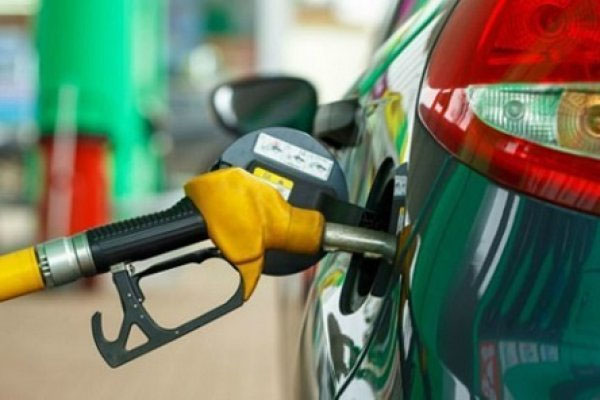
Fuel shortages have hit town much earlier than expected, days after Bulk Oil Distribution Companies (BDCs) warned of shortages.
The warnings of the imminent shortage may have triggered hoarding of the fuel by filling stations, which have been turning cars away since yesterday when the B&FT checked.
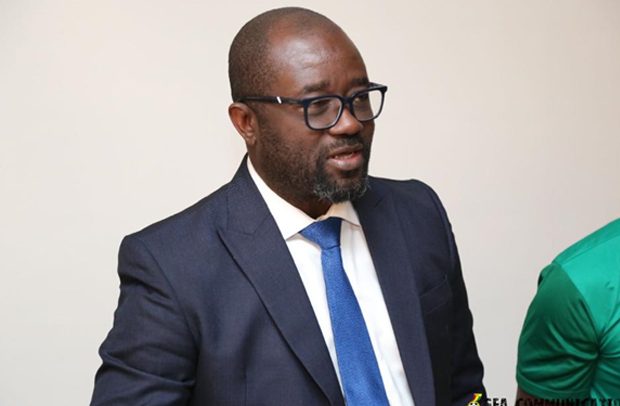
Senyo Hossi, CEO of the Ghana Chamber of Bulk Oil Distributors, told the B&FT on Monday that the shortages could set in as early as next week if government does not, at least, settle part of the GH¢1.8billion subsidy arrears.
A number of fuel stations visited by B&FT however said they had already run out of fuel for days and were turning cars away.
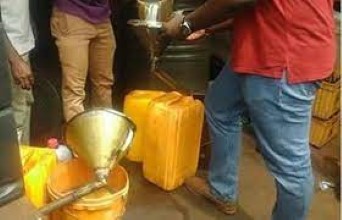
While some of the stations said they had run out of every major fuel, others said they had diesel but not petrol; indeed, the situation has also triggered panic-buying as some consumers were seen filling large containers with diesel.
“As at now, we only have diesel and kerosene. As for petrol, what is left cannot fill a cup,†said the manager of the Total Filling Station on the Osu Oxford Street, who gave his name as Henry.
“When there is a shortage of petrol sales fall, and as at now we can’t assure our consumers when we will get petrol to fuel their tanks,†he said.
David Baah, a Shell fuel attendant in Osu, said: “We’ve been experiencing petrol shortage from a week ago. This called for the need to order a tanker of petrol from our head office so that we could sell to our customers. Now that the petrol is finished, we can’t assure our customers when we will get another supplyâ€.
An attendant at the Danquah Roundabout station of Glory Oil also said the petrol shortage began four days ago, adding that he could not tell when the station will get petrol to sell to drivers.
A number of eager buyers who were turned away at the fuel stations expressed disappointment with the situation, criticising government for causing the shortage.
Government is said to have tasked international auditing firm Ernst and Young to do an audit of the GH¢1.8billion subsidy claim by the BDCs, which includes not only price subsidies but foreign exchange losses.
While agreeing to the audit, which is expected to take six weeks, Senyo Hossi said the urgency of the situation makes it imperative for government to release part of the money for fuel supply to resume.
“The audit is necessary, especially on the forex side, because the dimensions are varied unlike just the price subsidy. But there is urgency to the situation that has to be balanced with the need to audit,†he told the B&FT.
While government has cited the need to cushion the economically weak as the reason for the subsidy, the BDCs have been calling for its removal since it hardly benefits the poor.
“From 2011 to 2013 we spent US$1.2billion dollars on subsidies. Can you imagine what that could have done for mass transportation? And when you invest in mass transportation it is not consumption like fuel. It is an investment; you are creating jobs and you are getting people to be more productive,†Mr. Hossi said.
By: Raphael MENSAH & Emmanuel NTIRI ​| thebftonline.com| Ghana










Facebook
Twitter
Pinterest
Instagram
Google+
YouTube
LinkedIn
RSS