


Beneficiary of the project (middle) being interviewed
At least some 5,000 households in some deprived communities in the Kassena-Nankana West District in the Upper East Region, can boast of knowledge on some best parental practices, and ensuring a deliberate dietary diversity to improve on the nutrition of their infant children.
A World Vision Ghana intervention, “Improved Feeding Practices for the First 1000 Days”, has contributed to this improvement in the lifestyle of these households, resulting in an improved nutrition, and save infants and pregnant women from acute anaemia and malnutrition.
The 3-year project, implemented by the World Vision Ghana in some 24 communities in the Kassena-Nankana West District, intensified the promotion of exclusive breast feeding for children under 2 years and also promoted household farming of some local crops and other improved crop varieties, to ensure an all-year round supply of fresh crops.
Aside from the support to individual households, the project has built the capacities of some 600 farmers to cultivate essential crops across the 24 beneficiary communities.
The project was implemented with funds from the Japan Social Development Fund, through the World Bank and the Ministry of Finance of Ghana.
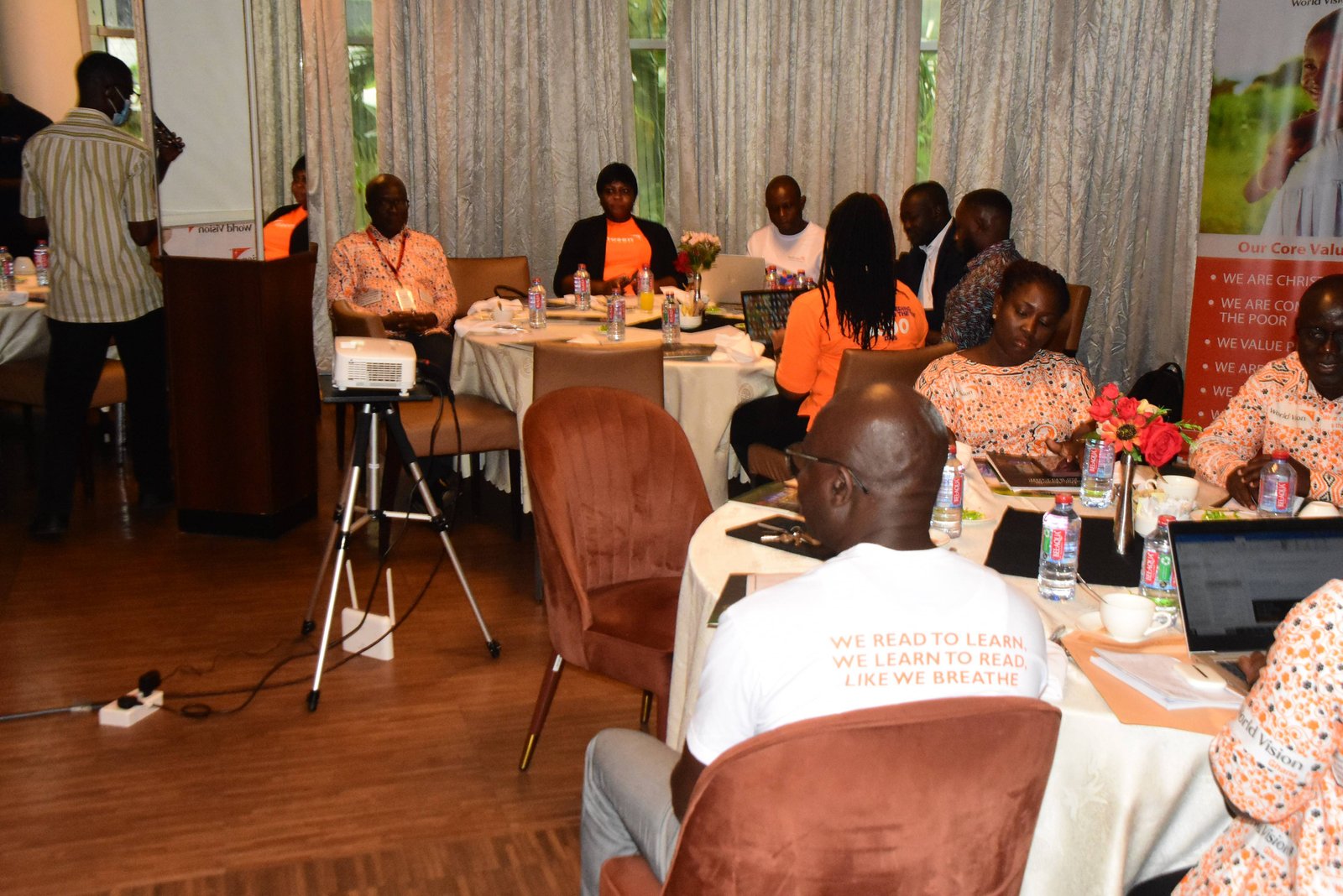
At closing durbar of the project at Sirigu, the Health and Nutrition Technical Manager at World Vision Ghana, Awurabena Quaba Dadzie, noted that the project was meant to improve on the feeding of children for the first 1000 days of life through nutrition-sensitive agriculture interventions, which was achieved due to the commitment of the communities to improve on their lives.
Awurabena Quaba Dadzie believes that many of the Sustainable Development Goals could be achieved if efforts are made to improve on food supplies and nutrition.
According to her, Ghana Health Service Demographic Survey Report for 2022, revealed that 4 out of 10 children were anaemic, 6 out of 10 pregnant women were also anaemic, 2 out of 10 children were stunted, while 1 out of 10 children nationwide, were underweight.
She said: “Over the last 3 years of the project, over 1000 children benefitted from micronutrient supplements, 5,000 households benefited from knowledge in dietary diversity and we built capacities of 600 farmers as well as 700 women, to improve the nutrition of their children. In all, we trained over 1000 members of mother-to-mother support groups and gave them over 5,000 poultry birds and also trained health workers and agriculture extension officers.”
Awurabena Quaba Dadzie called on the beneficiary communities and households to share the knowledge with others to ensure that the good family experiences are replicated across the district.
A beneficiary of the project, Ernestina Abelingo, was happy with the outcome of the exclusive breastfeeding and complementary diets she gave to her grandchild, saying, “…the practice has helped in the growth of my grandchild. When my young daughter had a child, I taught her how to express breast milk before going to school.
Every day, she will express the breast milk and put it down so I can feed the baby, we did this for the first six months and we have now added the koko plus together with some local foods that World Vision Ghana taught us how to prepare, and the baby is strong and does not fall sick. My daughter is still in school and learning in peace.” Ernestina Abelingo narrated.
From: Ebo Bruce-Quansah, Sirigu, Kassena-Nankana West
The post World Vision supports over 5,000 deprived households to address malnutrition appeared first on DailyGuide Network.
Read Full Story






Facebook
Twitter
Pinterest
Instagram
Google+
YouTube
LinkedIn
RSS