


A ground-breaking new report by the Digital Health and Rights Project (DHRP) has sounded a strong alarm over how young people living with and affected by HIV are being harmed by the rapid expansion of digital health systems across Africa and beyond.
The findings, released at a special satellite session at ICASA 2025, reveal serious risks around data privacy, online safety, digital exclusion, and the misuse of emerging technologies such as artificial intelligence.
The report, ‘Paying the Cost of Connection’, draws on research conducted from 2023 to 2025 across Ghana, Kenya, Vietnam and Colombia, involving over 300 young adults, health workers, policymakers, and community actors.
It uncovers a disturbing gap between Africa’s ambition to digitise health services and its readiness to safeguard the rights and safety of vulnerable populations.
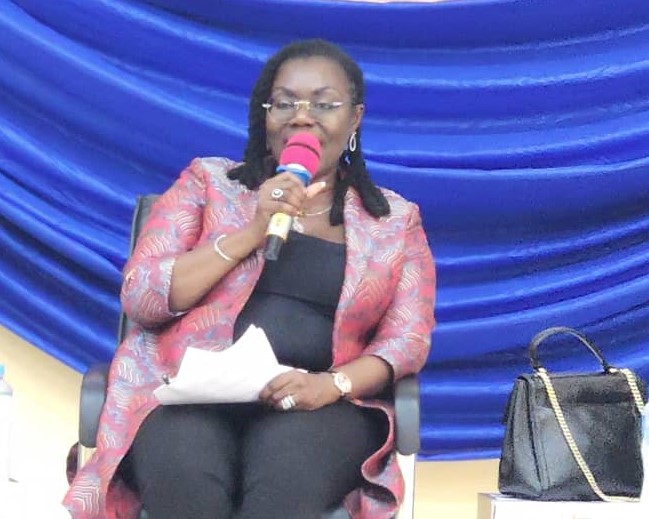
In an interview with The Chronicle, Ms. Racheal Ewurabena Antwi, Vice Chair of the Ghana Community Advisory Team under the DHRP, said the findings reflect deeply rooted fears among young people who no longer trust the systems meant to protect them.
“From where I sit, I cannot say Africa is prepared. Young people still fear going to health facilities because they think their information will leak and they will be stigmatized. That means there is a major gap,” she said.
Madam Antwi noted that although conversations around data protection have increased since COVID-19, enforcement remains weak, and many young people—particularly those from key populations believe their personal health information could easily be exposed.
She stressed that stigma and confidentiality breaches remain some of the biggest deterrents to seeking HIV testing, treatment and support in Ghana.
The report highlights that unequal access to the internet and digital tools is worsening health inequalities. Antwi, reflecting on Ghana’s situation, condemned the harsh urban–rural digital divide.
Urban youth not only live closer to health facilities, but also have better access to devices and internet connectivity. Rural youth, on the other hand, struggle with basic access—creating a double barrier.
“Some young people must choose between eating and buying data. And some communities have zero internet access,” she noted.
This means the very young people who should benefit most from digital health such as those in remote, underserved communities are the ones left behind. While some organisations provide offline helplines for HIV information, Antwi said “it is not enough,” warning that the divide is widening and must be addressed urgently.
The report documents widespread cases of technology-facilitated abuse, including cyberbullying, doxxing, non-consensual sharing of private health information, and extortion—abuse that disproportionately affects young people living with HIV.
During the session, Mr Allan Achesa Maleche, Executive Director of KELIN, said these digital harms are now a major public health and human rights concern.
“Technology is advancing, AI is advancing, but so are the risks. If private health information is shared, it can lead to stigma, discrimination, and serious violations,” she said.
He added that abuse often begins online, but spills into real-world violence, leaving victims exposed with little recourse.
Beyond access, the report found that many young people lack the digital literacy needed to safely use online health tools. Some respondents had little knowledge of how to use apps, chatbots, or AI tools to find reliable health information.
He explained: “The divide is not just about data bundles—it is also about knowledge. Even with internet access, many young people do not know how to navigate digital platforms to get the help they need.”
Maleche stressed that Africa must now move beyond identifying the problems to defining clear responsibility. “What is the Human Rights Commission doing? Are judges being trained? Are lawyers ready for these cases? How are media houses amplifying the issues?”
He called for stronger digital rights governance, improved legal protections, and capacity-building across all sectors from the judiciary to the media to ensure young people are protected as countries expand digital health systems.
Antwi also urged policymakers, tech developers, and health institutions to involve diverse groups of young people in designing digital health tools.
“Bringing one young person into a room is not youth consultation. We have young people living with HIV, young people with disabilities, queer young people each group experiences digital barriers differently.”
She said any digital system that claims to serve young people must be co-created with them from start to finish.
The post New DHRP Report Exposes Digital Risks facing young HIV patients appeared first on The Ghanaian Chronicle.
Read Full Story













Facebook
Twitter
Pinterest
Instagram
Google+
YouTube
LinkedIn
RSS