


By Laudia Sawer
Tema, July 18, GNA - Out-of- school adolescent girls in Tema are refusing to participate in the Ghana Health Service’s (GHS) Girls’ Iron-Folate Tablet Supplementation (GIFTS) programme.
The GIFTS programme is a collaborative initiative among the GHS, Ghana Education Service (GES) and United Nations Children’s Fund (UNICEF) and other key partners to provide Iron and folic acid supplements to adolescents, in and out-of-school, in accordance with the World Health Organization (WHO) “once a week “ recommendation.
Mr Samueal Atuahene Antwi, Tema Metropolitan Nutritionist, revealing this to the Ghana News Agency, said out-of- school adolescent girls were young females aged between 10 and 19 years who are not enrolled in any school but are into trade and apprenticeship.
Mr Atuahene Antwi said the girls formed more than half of the estimated 39,546 adolescent population of both the Tema Metropolis and Tema West Municipality.
“The nurses reported to the Directorate that the out-of-school targets have just refused to take the supplements, ”he stated.
He indicated that rumours and myths about the side effects of the supplement on the girls and allegations of people dying because of malaria vaccines were the main challenges facing the implementation of the GIFT especially in Tema Manhean.
He however assured that the directorate’s health promotion team were working with traditional leaders, clan heads and Parent Teacher Associations (PTAs) to educate them on the project adding that public announcements were made before the GIFT implementation started on May 29, 2019.
The Metro Nutritionist noted that adolescent girls in 64 private and public basic schools as well as students of Chemu Senior High School (SHS) and Tema Presbyterian SHS had been put on the GIFT programme.
He observed that implementation in some private schools was not smooth as parents were not consenting to it.
He stated for instance, that “for one school, out of about 400 girls, only nine had their consent forms signed by parents.”
Mr Atuahene Antwi pleaded with parents to appreciate the importance of the programme to the health of their adolescent girls.
According to him, the WHO recommended that intermittent iron and folic acid supplementation were endorsed in menstruating women living in settings where anaemia was highly prevalent, to improve their haemoglobin concentrations and iron status and reduce the risk of anaemia.
He added that GIFT was adopted as one of several actions to improve maternal nutrition, reduce the high rates of anaemia in adolescents and women of childbearing age and contribute to reduction in maternal mortality(deaths).
GNA
Read Full Story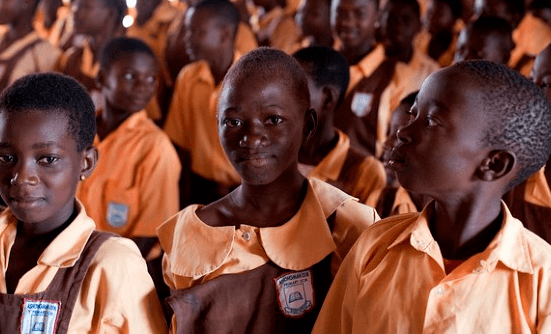









Facebook
Twitter
Pinterest
Instagram
Google+
YouTube
LinkedIn
RSS