


Tamale (NR), Nov. 20, GNA – Dr Nana Ato Arthur, head of Local Government Service (HLGS), has backed government’s decision to elect Metropolitan, Municipal and District Chief Executives (MMDCE’s) for effective governance.
He said the elections of MMDCE’s as a constitutional mandate would help secure MMDCE’s tenure of office to enable them initiate a long-term developmental plans for implementation and for which the citizenry could hold them accountable.
This, he said would enhance the decentralization process, improve local governance as well as ensuring downward social accountability to the citizenry.
Dr Arthur said this at a one-day capacity training forum of about 35 MMDA’s from the Northern, Upper East and Upper West Regions aimed at enhancing MMDA’s understanding of the approaches, institutional and legal framework of decentralization process in the country.
He noted that, the effective delivery of agricultural services in the three northern regions were further hampered by the frequent conflicts over chieftaincy, land and natural resources, general contribution to the poor development in the area.
Dr Arthur appealed to MMDA’s to work effectively at ensuring institutional coordination to promote collaborations among agencies and projects as well as traditional authorities to help fight poverty, improve economic activities and infrastructural development at the district level.
Mr Michael Alandu, Chief of Party, CARE International under the Northern Ghana Governance Activity (NGGA) project commended government for its flagship programmes of Planting for Food and Jobs (PFJ) to promote agriculture.
He said agriculture remained a variable vehicle to bring about societal transformations, saying “MMDA’s must champion the course of ensuring effective local governance for a sustainable development especially in the agriculture sector”.
The event organized by CARE International-Ghana is in partnership with the Action-Aid Ghana (AAG), SEND-Ghana, and the West Africa Network for Peace-building-Ghana (WANEP) with funds from the USAID for a five-year implementation of the (NGGA) project.
The project is implemented in 28 districts within the three northern regions, with a target population of about 1.5 million aimed at ensuring more responsive governance for improved agriculture development in the country.
The five-year project intends to strengthen institutional capacity for effective coordination and integration of key actors in decentralized agricultural development as well as enhance women’s participation in local governance to ensure agricultural opportunities.
The project would increase community dialogue to manage conflict, ensure sustainable development and create enabling environment for effective participation in decentralization and agricultural development.
GNA
Read Full Story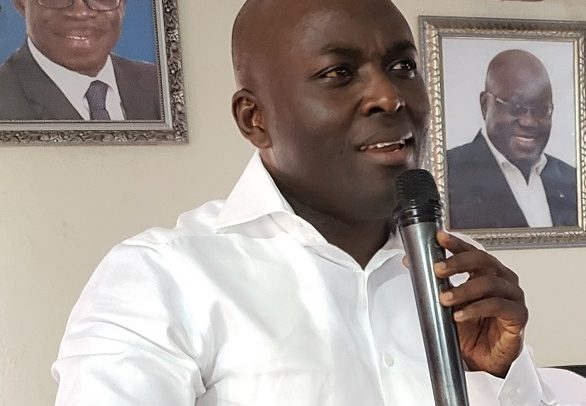







Facebook
Twitter
Pinterest
Instagram
Google+
YouTube
LinkedIn
RSS