


By Josephine Nyarkoh/Mispah Tumtuo, GNA
Kumasi, Mar 17, GNA – The campaign to roll back the high rate of teenage pregnancy in the Ashanti Region has been scaled up – drawing in queen mothers, health professionals and parents.
This is being done under the Ghana Adolescent Reproductive Health Project (GHARH), funded by United Kingdom Department for International Development (DFID).
A total of 18, 359 teenagers got pregnant in the region, last year, and out of this number of teenage mothers, were 323 minors, aged between 10 and 14 years.
Mr. Ebenezer Amankwaah, the Regional Adolescent Health Coordinator, speaking at one of the public education campaigns held in Kumasi, said six of the teenage mothers lost their lives during childbirth.
He indicated that 2,000 of the pregnancies also had to be aborted.
He described the development as deeply troubling and asked that everybody found space to contribute the effort of providing adequate protection for young girls.
Bad peer influence fueled by irresponsible parenting should not be allowed to continue.
He also spoke against forcing children into early marriages, a practice he said, was unhelpful to their growth and development.
Mr. Samuel Kobina Otu, Secretary of the Parent Teacher Association (PTA) of Prempeh College, called for harsher punishment of men, who impregnated underage girls.
He said strong signal needed to be sent to everybody that they could mess up the lives of the young people.
Nana Ama Achiaa, the queen mother of Asem in Kumasi, said “traditional puberty rites (bragoro)” must be revisited.
That, she noted, would provide the motivation for young girls to remain chaste until they came of age.
Miss Roseline Lodonu, GHARH Project Coordinator, Hope for Future Generations, said the project would run for nine months.
It is targeting the Kumasi metropolis and the Atwima-Kwanwoma Districts, where teenage pregnancy is more pronounced.
GNA
Read Full Story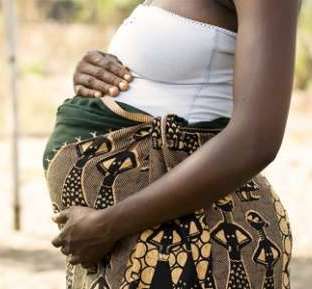





Facebook
Twitter
Pinterest
Instagram
Google+
YouTube
LinkedIn
RSS