

Health specialists and food safety experts have urged the public to avoid using or consuming products known to contain high levels of heavy metals, particularly lead, due to their harmful effects on women and children.
Speaking at a press briefing in Accra on Monday on efforts to combat lead poisoning in Ghana, Dr Emmanuel Kyeremateng-Amoah, Health Specialist at UNICEF, highlighted findings from a nationwide study, which detected excessively high levels of lead in traditional eyeliner known as Kaaji-Kaaji.
The lead was also found in turmeric powder, and white baked clay, locally called Shere or Ayilo.
He said the assessment covered 1,691 products sampled from the open market and supermarkets across the country.
“For Kaaji-Kaaji, we had 70 per cent failing acceptable levels of lead… for turmeric, 42 per cent failed. The high regions were Greater Accra and the [other] Regions,” he said.
“For Ayilo, close to 25 per cent had high levels of lead, mainly in the Eastern and Greater Accra Regions,” he added.
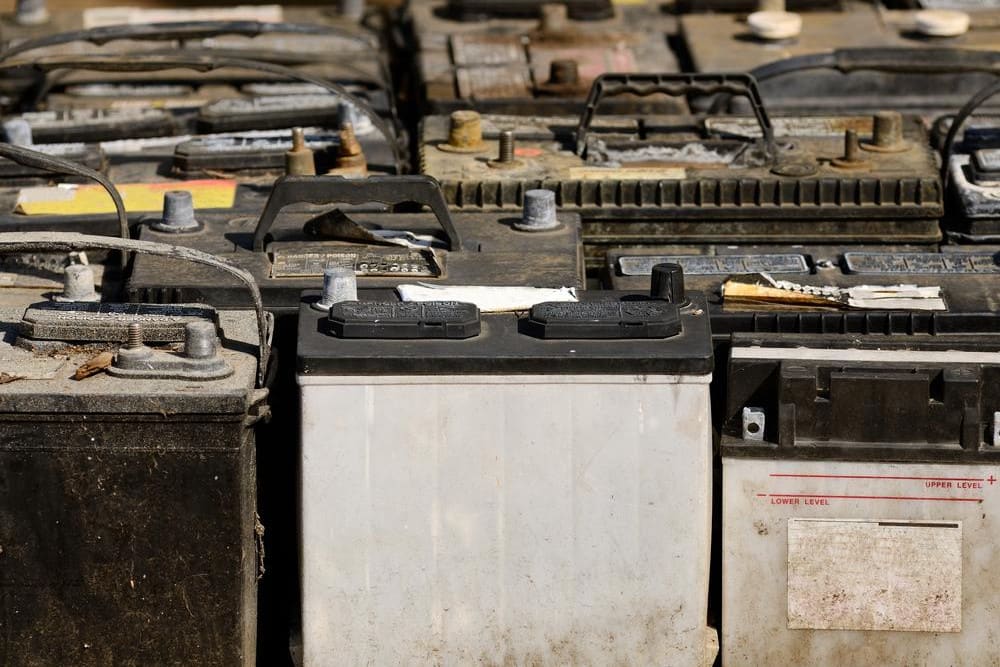
Dr Kyeremateng-Amoah said lead contamination was often linked to communities involved in informal battery recycling and e-waste processing.
Children, he noted, were at the greatest risk of exposure, as lead could cause permanent brain damage and negatively impact their wellbeing and development.
“For children, lead is toxic because they absorb four to five times more than adults. It goes straight to the brain and affects the rate at which they grow, their speech, and their hearing,” Dr Kyeremateng-Amoah said.
“The worst of it is that even in the womb, the foetus is exposed when pregnant women consume Ayilo.”
He warned that high levels of lead exposure in pregnant women could result in anaemia, miscarriage, or premature birth, calling for urgent multi-sectoral action.
He said UNICEF and its partners were intensifying efforts to develop a coordinated national approach and exploring community-based solutions to address lead contamination.
Mrs Paulina Addy of the Women in Agriculture Development Directorate, Ministry of Food and Agriculture, called for continuous sensitisation to discourage the consumption of products containing high levels of heavy metals.
She urged food handlers and producers to review their practices to minimise contamination.
Mrs Addy proposed tax holidays for manufacturers of stainless-steel cooking utensils as alternatives to certain metal cooking pots (Dadesen), some of which were found to contain lead.
She urged Metropolitan, Municipal and District Assemblies (MMDAs) to enforce food safety by-laws while stakeholders develop strategies to curb lead poisoning.
Mr Roderick Daddey-Adjei, the Deputy Chief Executive Officer for Food Division, Food and Drugs Authority (FDA), advised consumers to prioritise certified products to reduce exposure to contaminated goods.
He said the FDA would continue monitoring, enforcement, and engagement with manufacturers and Small and Medium-scale Enterprises (SMEs) to ensure compliance with production standards, alongside intensified public education.
Source: GNA
The post Experts urge consumers to avoid products containing high levels of lead appeared first on Ghana Business News.
Read Full Story





Facebook
Twitter
Pinterest
Instagram
Google+
YouTube
LinkedIn
RSS