


By Buertey Francis BORYOR
A renewed push to close the long-standing gap between classroom theory and real-world practice gained momentum at the NiBS University in Accra, where the institution formally inaugurated its latest cohort of Executive Doctors in Residence (EDRs).
The initiative, anchored on the theme “Bridging Academia and Practice: Building Business Leadership Excellence,” is designed to help the university’s Executives Master of Business Administration (EMBA) students translate their academic training into practical skills that meet industry expectations.

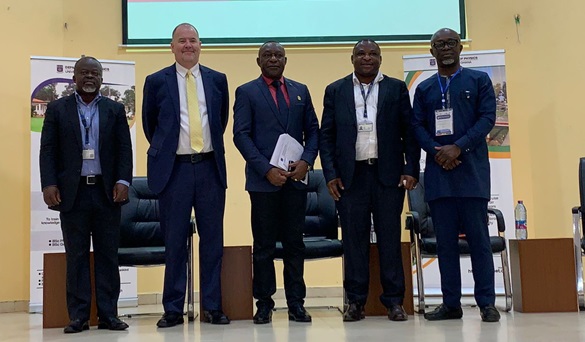
The ceremony brought together senior executives, academics, and industry specialists to induct 19 seasoned EDRs who will mentor, guide, and support the university’s 140 EMBA students.
The programme aims to create what the institution describes as a space where ideas meet experience- an environment that allows graduate students to test academic knowledge against the demands of real corporate settings.
The event’s special guest, Dr. Charles Amoah-Wilson, Human Resource Director at the National Communications Authority, urged the newly inducted EDRs to view mentorship as a responsibility grounded in experience rather than theory.
He explained that mentorship equips students with real insights- lessons that cannot always be taught in textbooks but are drawn from years of successes, setbacks, and practical exposure. “A mentor shares their history, challenges, and failures so that the student can avoid the pitfalls and build on the victories,” he said, adding that such real-world guidance makes graduates more professional, more productive, and better prepared for the workplace.
He called for a shift toward experiential learning in higher institutions. Rather than teaching purely through theory, encouraging lecturers to give students real-life problems to solve.

He additionally urged universities to adopt structured internships that are properly supervised and evaluated. According to him, students should not be left to run errands during their internship placement, instead, there should be clear expectations and regular checks by faculty to ensure that they are receiving the right level of professional guidance.
The EDR initiative, he said, offers students an opportunity to benefit from expert practitioners who can bring depth and authenticity to the learning process. “A third of contact hours must involve practical exposure,” he suggested, emphasising the need for the country’s tertiary institutions to match global standards of practice-based learning.
The EDR programme coordinator at NiBS, Dr. Senanu Klutse, highlighting the thinking behind the initiative said the university has observed a major shift in the type of students entering postgraduate classrooms. “These are practice-based learners. They don’t want long hours of abstract theory. They want to apply what they learn immediately,” he said.

According to him, NiBS already integrates several practical elements- simulation exercises, stock trading sessions, and fintech applications into its master’s programmes. The EDR model, he said, builds on this by giving every EMBA student an assigned mentor from day one. Students also have the option of choosing an EDR based on their professional interest and may even work with more than one mentor as the programme expands.
Dr. Klutse described the programme as a two-way relationship that strengthens both teaching and mentorship. Beyond guiding students, the EDRs will validate the practical skills of each graduate, ensuring that their CV reflects real-world experience with clear evidence of applied learning.
He emphasised that many of the university’s master’s students are already early or mid-career executives seeking to climb higher, and the mentorship will help them navigate business challenges with confidence.

Representing the inducted EDRs, Dr. Irene Stella Agyenim-Boateng, Vice Chair of the Public Service Commission, described the initiative as a noble step that reinforces the university’s commitment to shaping competent professionals. She said the programme preserves the unique identity NiBS has carved for itself as a doctoral-focused institution that blends academic rigor with industry relevance.

She noted that academic qualifications alone cannot prepare a graduate for the demands of industry. “The real test begins when you step into an organisation. Expectations are high, and if you are not grounded in practice, you will struggle,” she cautioned.
Moreover she said the collective expertise of the EDRs would expose students to career-shaping opportunities, including sponsorship, industry connections, and high-level professional networks. She stressed that networking has become a “new currency” in modern business, and relationships formed through the programme could open doors far beyond the classroom.

She also highlighted the responsibility that comes with the role, describing it as both an opportunity and a legacy. While the initiative is exciting, she reminded her colleagues that it requires intentional effort, discipline, and commitment to time, confidentiality, ethical leadership, and mutual respect.
“We are committed to give back- through teaching, mentoring, and sharing our experiences across sectors. But we expect commitment from students as well. Mentorship is not one-sided,” she said.

Mrs. Agyenim-Boateng encouraged students to embrace the programme fully, stressing that the knowledge they gain should not remain on shelves or in offices as decorative documents but should influence the quality of their work and the decisions they make throughout their careers.


The post NiBS launches executive residency programme to link industry with academia appeared first on The Business & Financial Times.
Read Full Story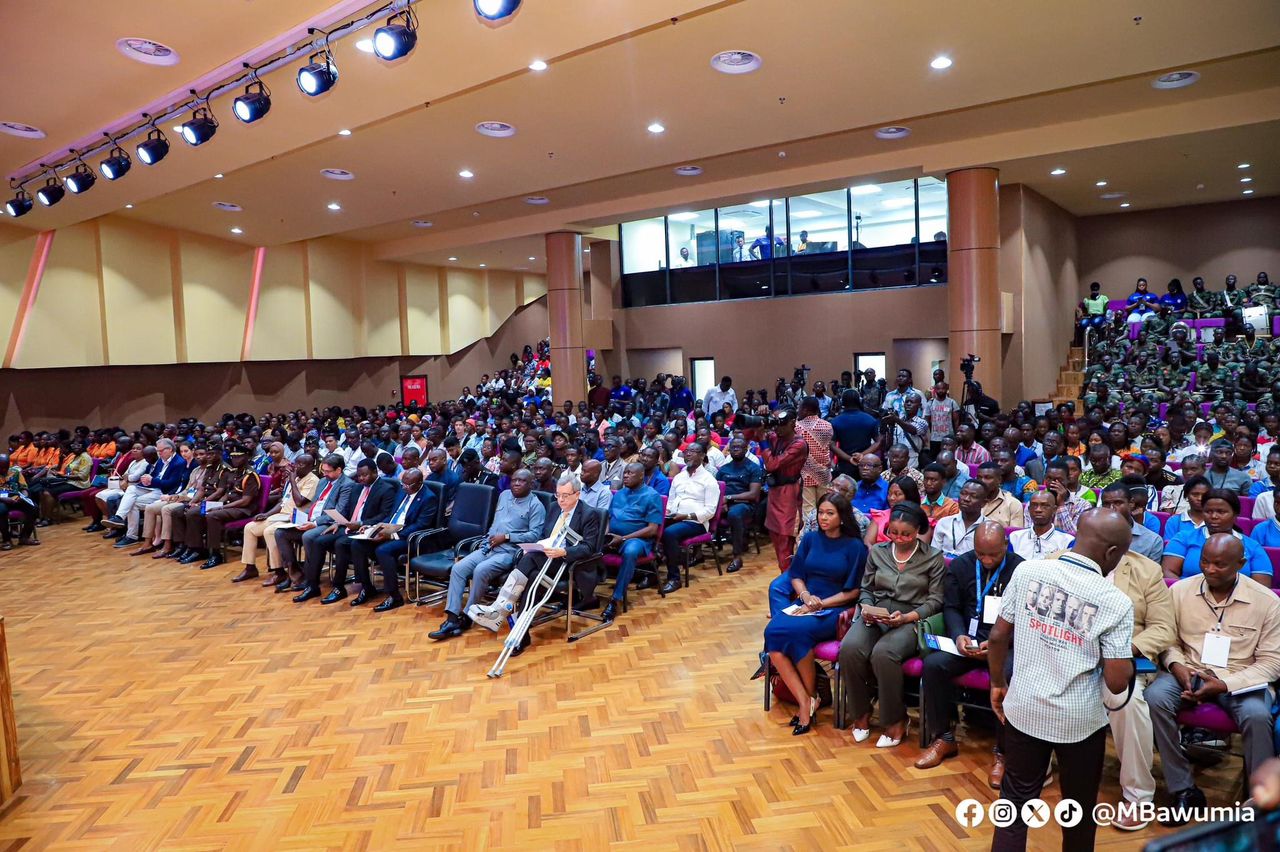











Facebook
Twitter
Pinterest
Instagram
Google+
YouTube
LinkedIn
RSS