


Government must improve the efficiency of its revenue generating systems across the various entry points if it is to rake in maximum revenue from the increase in trade to the country, according to Zaid Hamuoi, President of the Borderless Alliance (BA).
He also called for an end to the issues of harassment and illegal checkpoints along trade corridors in the West African sub-region, adding that a significant reduction in these occurrences would stimulate the country’s economic growth and improve the people’s lives.
“We have a big problem in Ghana, and a responsibility to address it urgently. With the rapid economic growth and increasing volume of trade at the various ports and borders, there is need for an effective revenue system to avoid revenue-loss, especially as traders find ways to bypass the system.
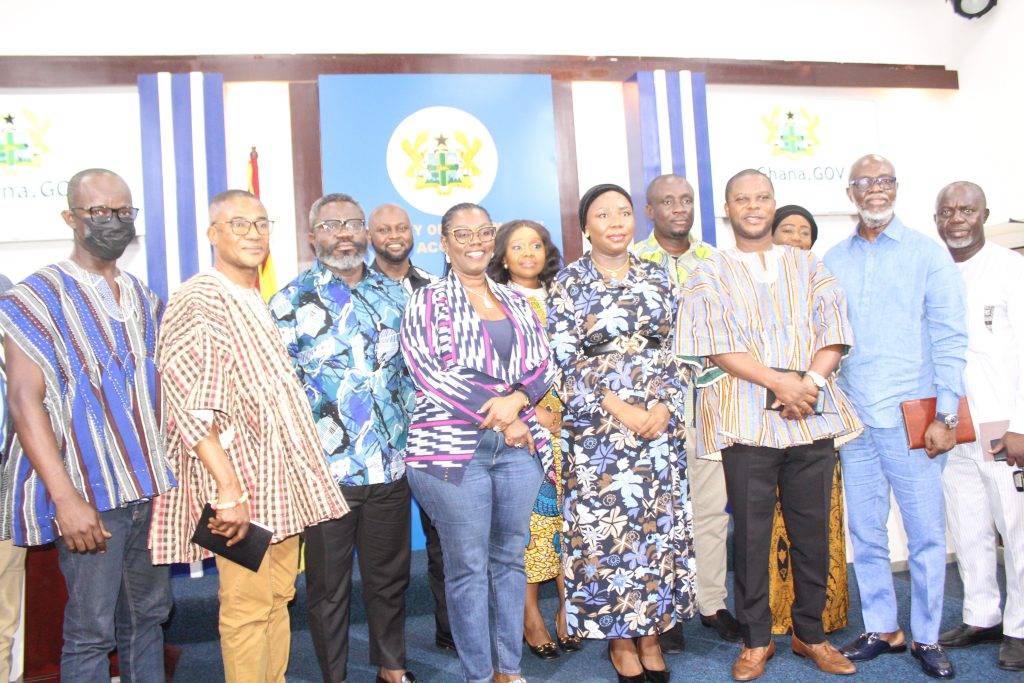
“The time for ‘borderless’ is now, and we cannot delay any longer because the stakes are high and time is of the essence. As the sub-regional population keeps growing, more jobs will be needed while food security will become an even greater issue; but there are numerous practices across corridors that strangle trade within West Africa,†he said at the inauguration of the national chapter and executive committee of the Borderless Alliance in Accra.
He said barriers to trade -- multiple documents required by different countries, the “unnecessary†onerous procedures as well as the multiple and often duplicate checkpoints across trade routes -- ultimately affect the price of goods which consumers buy.
The Borderless Alliance is an evidence-based and action-driven private sector-oriented approach to advocacy and provides a credible platform to voice concerns. It also contributes its expertise and engages with local and regional Governments toward the elimination of regional barriers to trade.
It seeks to promote best practices in trade and transport among member-countries in order to earn the trust and cooperation of regional Governments.
Mr. Hamoui asked the executives of the newly-created chapter to play a vital role in fostering productive public-private dialogue, engage the appropriate decision-makers, and seek the required changes that will solve the common problems as well as promote best practices of trade and transport in the country.
Mr. Frank Eshun, President of the National Executive Committee, in an acceptance speech read on his behalf, said the outfit will work judiciously to address the bottlenecks associated with the movement of goods and people across the sub-region: “We are aware of these challenges in the trade and transport industry, and will collaborate with other stakeholders to become a formidable force to position Ghana as the trade hub of Africa.â€
He said the chapter will also work to ensure that the country benefits from potentials of the rapidly-expanding economy.
By Patrick PAINTSIL




Facebook
Twitter
Pinterest
Instagram
Google+
YouTube
LinkedIn
RSS