


By Benson AFFUL
Maria Helena Semedo, the Food and Agriculture Organisation’s (FAO) Regional Representative for Africa, has urged the continent to step-up agricultural productivity and production to meet the demands of a rapidly-rising population.
“The projected increase in world population over the next 40 years demonstrates the urgency of implementing measures that favour actions and policies that simultaneously address climate-change mitigation and adaptation in agriculture while supporting development objectives and ensuring food security.â€
According to her, more productive and resilient agriculture needs better management of natural resources such as land, water and genetic resources.
She held the view that appropriate financing mechanisms and additional investments in the agricultural sector are indeed fundamental and therefore should be a key component of the region’s collaborative endeavour.
It is estimated that Africa’s agricultural sector requires cumulative investments until 2050 of US$940bn, and almost half (US$ 444bn) will be required in agribusiness and agro-industries capital outlays -- covering items such as dry and cold storage; rural and wholesale market facilities; and primary processing. The remaining US$496bn will be required for use in primary production (agriculture and livestock production).
She said the task in an environment of climate change is becoming more complex, requiring the involvement of different stakeholders with complementary knowledge and perspectives.
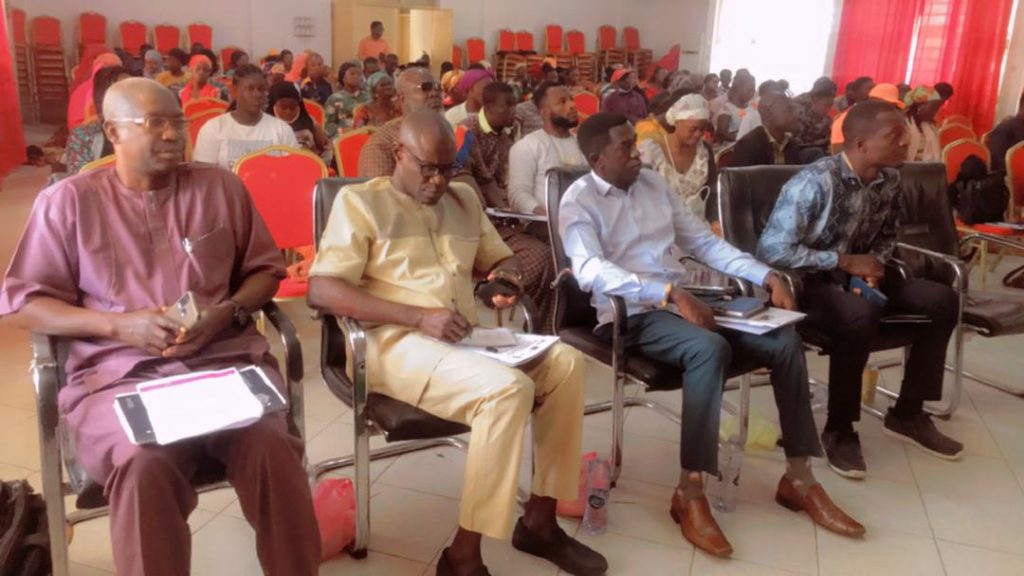
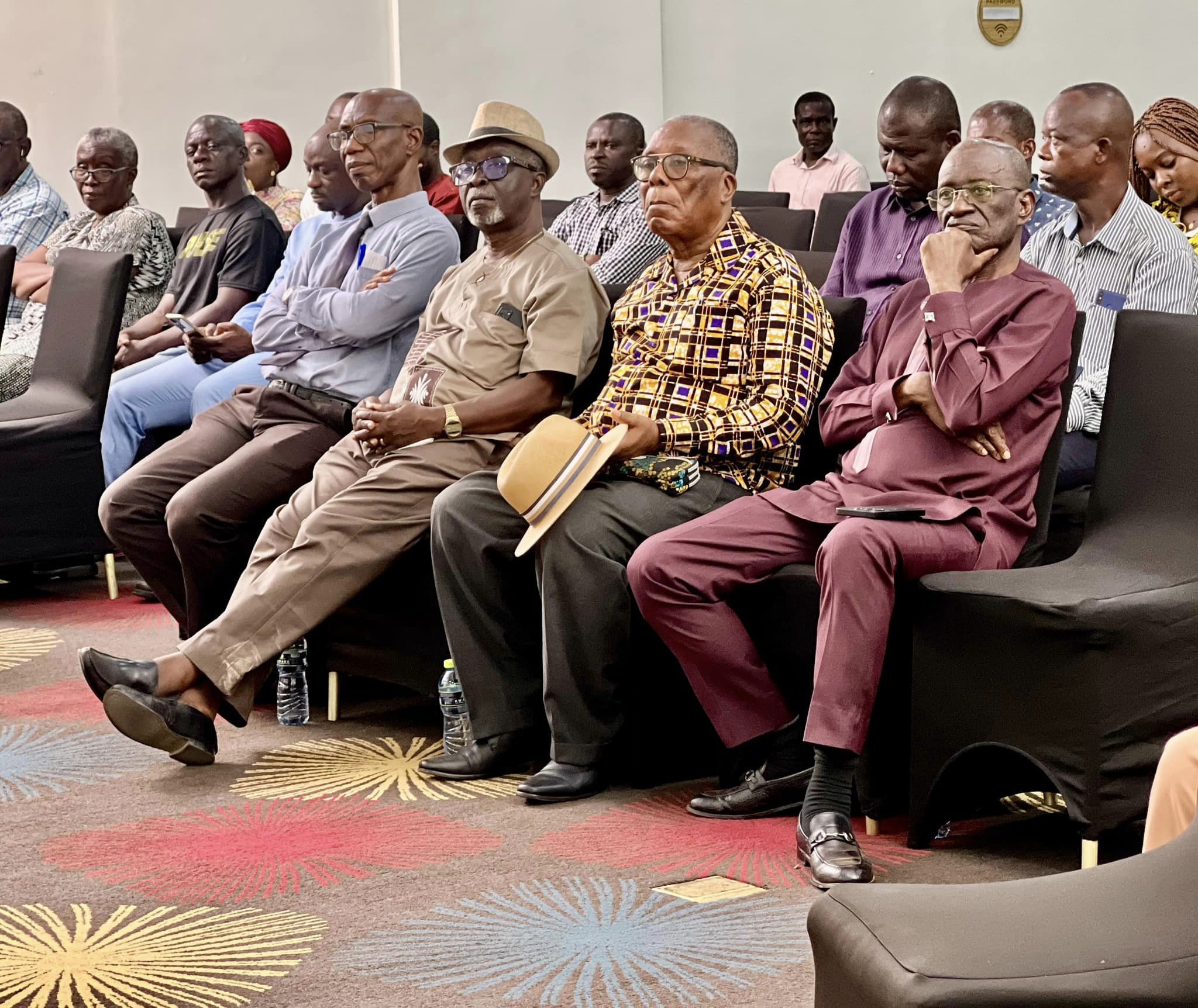
She was speaking at a workshop in Accra on “Agriculture Systems at Risk, Priority Actions toward Climate Change Adaptationâ€. The workshop was also used to launch the Global Soil Partnership for West and Central Africa.
Maria, who doubles as the Assistant Director-General of the FAO, explained that adaptation to climate change is a multinational, ecological and socio-economic process that requires broad-based commitment by the global community.
She said the 27th FAO Regional Conference for Africa held in Brazzaville, Congo, last year endorsed climate-change among the priority areas toward agricultural development in the Africa.
“Agriculture is among the sectors most vulnerable to the effects of climate change, mostly having negative consequences on productivity, production stability and income generation in areas that already have high levels of food insecurity,†she said.
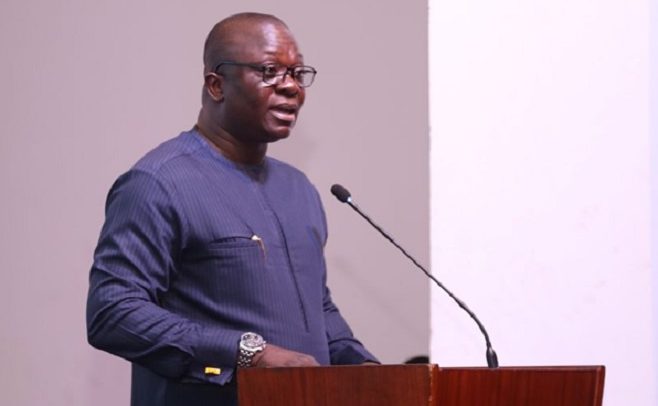
Acting Deputy Minister of Food and Agriculture Mr. Yaw Effah-Baafi told B&FT in an earlier interview that the government of Ghana with support from the USAID and World Bank has developed the Ghana Commercial Agriculture Project (GCAP), which aims to improve the investment climate for agri-business and develop inclusive private-public partnerships.
“The GCAP also has the objective of developing smallholder linkages aimed at increasing on-farm productivity and value-addition in selected value chains,†he added.




Facebook
Twitter
Pinterest
Instagram
Google+
YouTube
LinkedIn
RSS