


President John Dramani Mahama has used his address to the 81st United Nations General Assembly to showcase Ghana’s economic recovery, saying disciplined governance, fiscal prudence and the fight against corruption have helped move the country from economic vulnerability towards sustained recovery and growth.
Addressing world leaders in New York on Thursday, President Mahama said his administration’s ‘Resetting Ghana Agenda’ had produced what he described as a “dramatic economic turnaround” in less than two years.
“Indeed, some circles describe it as the ‘Ghanaian Miracle,” he told the Assembly.
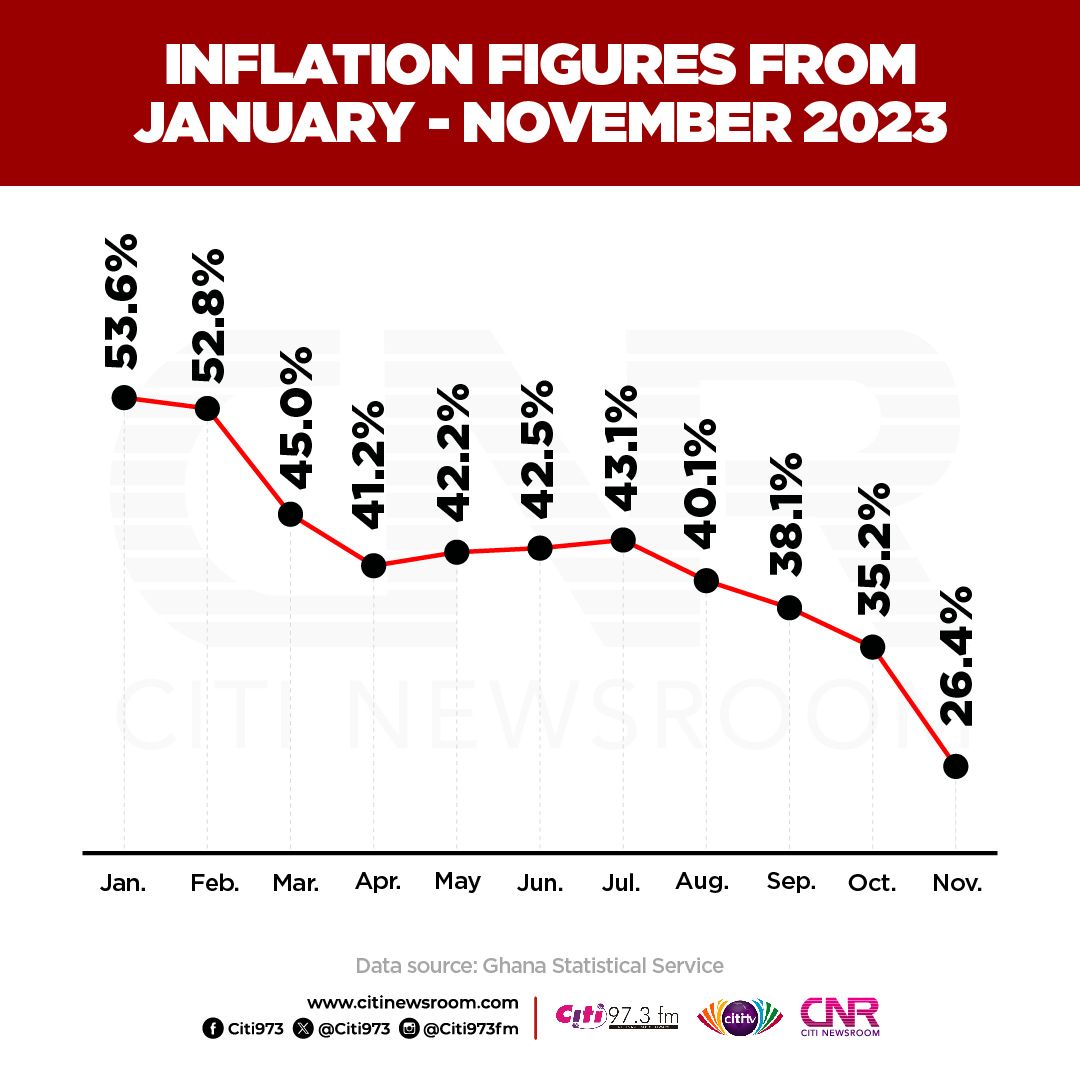
According to the President, the government’s macroeconomic stabilisation measures had restored economic growth, significantly reduced inflation, stabilised the national currency and lowered the country’s public debt burden.
He said the recovery had been independently validated by multilateral financial institutions and international credit rating agencies, which, he said, affirmed Ghana’s movement from economic vulnerability towards recovery, resilience and growth.
However, President Mahama admitted that improvements in macroeconomic indicators must ultimately translate into better living conditions for ordinary Ghanaians.
He said this principle was driving the government’s infrastructure and social programmes aimed at ensuring that the benefits of the economic recovery were reflected in communities across the country.
Big Push for infrastructure
President Mahama said the government was pursuing an aggressive national infrastructure programme under its Big Push Programme, targeting roads, digital connectivity, schools and health facilities.
The programme, he said, was intended not only to improve infrastructure, but also to bridge the rural-urban divide, unlock agricultural potential and expand access to basic services.
“This strategic investment is opening up the length and breadth of our country,” he told the Assembly.
The President said the infrastructure drive formed part of the government’s broader effort to make economic growth more inclusive and ensure that development was not concentrated in major urban centres.
24-Hour Economy
A major component of the economic strategy highlighted at the UN was the government’s 24-Hour Economy and Accelerated Export Development Programme.
President Mahama said the programme, together with the soon-to-be-launched “New Ghana, New Economy” policy, was intended to transform Ghana into an industrial and high-productivity hub.
He said government was incentivising round-the-clock commercial operations while promoting value addition in agriculture and mining.
The objective, he said, was to create sustainable and dignified jobs, particularly for Ghana’s youth and women.
The President’s emphasis on value addition also formed part of his wider argument at the UN that African countries must retain more of the economic value generated from their natural resources.
Earlier in the address, he said Africa must move away from exporting raw materials while value addition and job creation occurred elsewhere.
“We will process our minerals at home, build local industries, create dignified jobs for our youth, and retain the value of our natural resources,” he said.
Growth must improve lives
President Mahama also linked the economic recovery to an expansion of social protection and healthcare.
He said the government had launched the Free Primary Health Care Programme, which he described as providing essential primary healthcare at community level at no cost.
He further highlighted the Ghana Medical Trust Fund, popularly known as MahamaCare, saying it was designed to support Ghanaians living with serious non-communicable diseases, including renal failure, cancer, cardiovascular diseases and diabetes.
The President argued that the ultimate test of economic policy was not simply the performance of macroeconomic indicators, but whether citizens experienced tangible improvements in their everyday lives.
“I have always believed that democracy must deliver tangible social benefits,” he said, arguing that citizens should experience democracy not only through elections, but through improved access to food, education, housing, healthcare and economic opportunity.
Call for African self-reliance
The economic portion of President Mahama’s address was also connected to his broader call for reform of the global economic system.
He criticised what he described as unfair global trade regimes, predatory resource extraction, discriminatory credit ratings, unsustainable debt burdens and the continued export of African raw materials without sufficient value addition.
He called for a global financial architecture that would enable developing economies to access affordable financing for human capital development and industrialisation.
For Ghana, the President said the domestic economic reset was intended to demonstrate that stronger governance, fiscal discipline and investment in productive sectors could underpin sustainable development.
His message to the international community was, therefore, twofold: Africa must demand a fairer global economic system, but African governments must also demonstrate transparency, accountability and prudent management of their own economies.
“African leadership must be transparent and accountable,” President Mahama said, stressing the need to ensure that public funds were used efficiently in the interest of citizens.
The post Mahama Touts Ghana’s Economic Miracle …@ The UN appeared first on The Ghanaian Chronicle.
Read Full Story


Facebook
Twitter
Pinterest
Instagram
Google+
YouTube
LinkedIn
RSS