


By Wisdom JONNY-NUEKPE
The Oil Palm Development Association of Ghana (OPDAG) has revealed that the country loses about US$400million annually to smuggling, describing the practice as a significant economic and security threat.
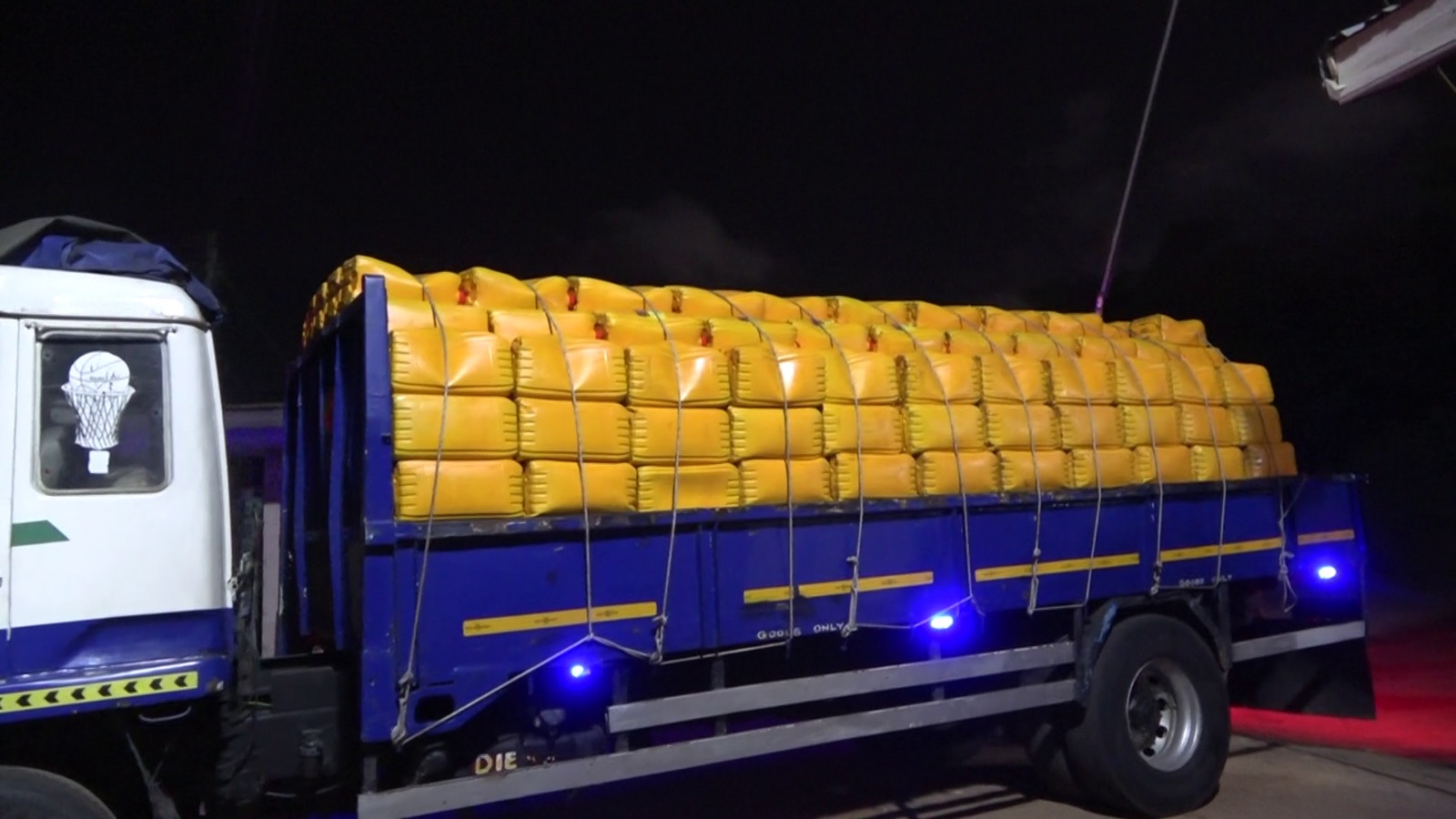
According to OPDAG, smugglers exploit land borders to flood the domestic market with cheaper, untaxed vegetable oils. It alleged that the products mostly originate from countries like Malaysia and Indonesia.
Speaking to B&FT at a Development Bank Ghana (DBG) oil palm roundtable with stakeholders in Accra, the association’s president, Paul Amaning, said the trend is worsening despite efforts by authorities to curb it.
He said the losses from smuggling are undermining job creation and economic value, as taxes are not paid on the contraband.
He expressed his outfit’s readiness to collaborate with government in clamping down on smugglers.
According to OPDAG, the country imports some 150,000 tonnes of oil palm annually – making it a net importer of the commodity against a domestic production capacity of around 100,000 metric tonnes.
Describing the oil palm sector as a strategic economic driver, Mr. Amaning highlighted that the industry supports over one million livelihoods – offering strong potential for job creation, industrial growth and import substitution.
OPDAG demands clarity on US$500m financing scheme
Government has announced a US$500million long-term financing facility for the palm oil sector, to be implemented from 2026 to 2032.
The investment is expected to overhaul the sector, aiming to close a 200,000-tonne annual production deficit and create more than 500,000 jobs.
Dubbed the ‘Red-Gold Oil Palm Initiative’, this policy is aimed at boosting local production to achieve self-sufficiency and reduce imports.
Key interventions include long-term, low-interest loans for farmers through a World Bank/Development Bank Ghana (DBG) partnership, distribution of improved seedlings and stricter import regulations to be enforced by the Tree Crops Development Authority (TCDA).
Touching on government’s proposed US$500million financing scheme, he described it as welcome support which, if implemented, could significantly improve the sector’s outlook.
He however called for clarity on its implementation, noting that failure to involve relevant stakeholders in its modalities could undermine the scheme’s success.
Other challenges
Apart from smuggling, the association outlined key challenges including low productivity, aging plantations, limited financing, weak coordination and land tenure issues, stressing that these constraints are well known and require urgent action from stakeholders, including government.
The association noted that with the right financing, technology and policy support, the domestic oil palm sector could significantly boost productivity, reduce imports and drive rural economic growth.
The post US$400m lost to vegetable oil smuggling appeared first on The Business & Financial Times.
Read Full Story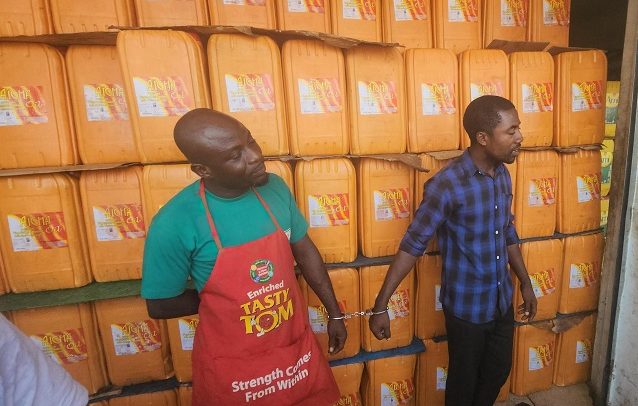









.jpg)









Facebook
Twitter
Pinterest
Instagram
Google+
YouTube
LinkedIn
RSS