


has asked governments of the West African sub-region to take bold steps to promote
economic integration among member states by removing barriers affecting trade
facilitation.
He said the removal of tariff and non-tariff barriers, cutting down of delays and
costs associated with the clearance of goods and also improving trade flows among
others are critical for boosting trade in the sub-region with the exponential effects
of improving the living conditions of the people.
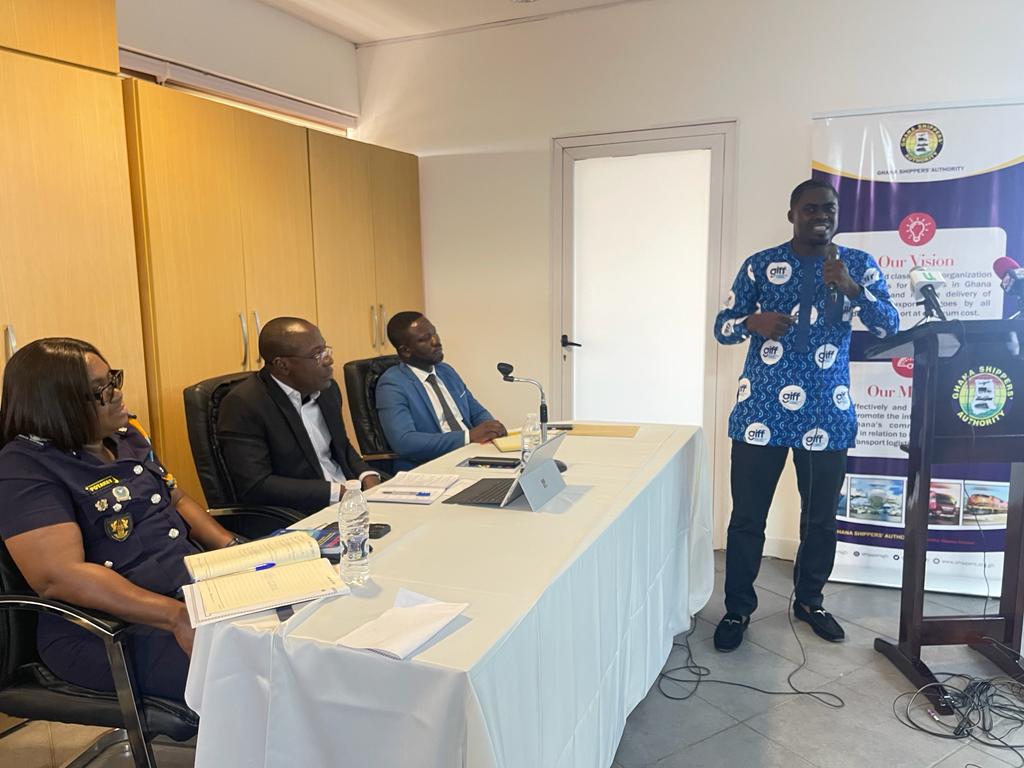
Dr Mbiah made the call at the launch of the 1st Borderless Alliance Ghana Conference
held Wednesday March 29, 2017 under the theme "Positioning Ghana as a Gateway to
West Africa -Optimizing Benefits of ETLS and TFA".
"The African continent and its Regional Economic Communities (RECs) record less
intra-regional trade than most other regions of the world. One of the major factors
behind this low level of integration is the low level of Trade Facilitation
implementation. Regional integration depends crucially on the facilitation of
cross-border trade and, at the same time, many cross- border operations depend on
cooperation among neighbouring countries", he emphasised.
He noted that compliance with the Trade Facilitation Agreement (TFA) of the World
Trade Organisation and particularly the Ecowas Trade Liberalisation Scheme(ETLS) are
catalysts for inter-economic integration and growth.
The GSA boss added that : "The ETLS also covers transit trade and establishes an
ECOWAS Inter-State Road Transit (ISRT) scheme to ensure goods in transit flow easily
without having to pay duties or other fees. A single logbook and single bond are
planned to aid in these transit flows. This initiative intends to standardize axle
load limits, create a regional vehicle insurance scheme, harmonize vehicle standards,
and reduce road blocks along major corridors."
Dr Mbiah commended efforts between his outfit and Borderless Alliance, a private
sector-led regional advocacy group that promotes regional economic integration and
free movement of goods and people in West Africa by tackling barriers to trade and
transport in the region, in facilitating trade and building the capacity of shippers
with the ultimate objective of making them more competitive
He mentioned the establishment of an e-platform which allows shippers to lodge
complaints electronically and border Information Centres at vantage border posts of
Ghana which provide real time assistance to shippers and transitors among others as
part of the interventions the two institutions have collaborated to implement to
boost trade.
Speaking on behalf of the minister of trade and industry, a deputy minister
designate Carlos Ahenkorah,MP, stated that government has prioritized programmes to
improve the business climate and regulatory reforms for industrial development and
has as a result placed trade facilitation at the centre of trade reforms in Ghana.
" In this regard, trade procedures and custom processes at Ghana's borders and
ports have undergone major transformation and modernisation , particularly through
the introduction of ICT and the implementation of the Single Window project.",he
added .
The trades minister noted that even though there are still some challenges with the
implementation of the ETLS with some reflecting in the Borderless Alliance's
perception survey report conducted on some key sections of the Tema-Ouagadougou trade
corridor, the introduction of the single window project has reduced processing time
of goods at the port from seven to three days and Customs have also become more
responsive to phyto-sanitary inspection service.
On his part,the minister of transport, Mr Kwaku Ofori-Asiamah, emphasised on the need
for Ghana to position herself well in the sub-region by addressing the barriers
confronting the free movement of goods and persons with its neighbours.
He commended the Ghana Shippers' Authority and the Borderless Alliance for their
continuous collaborative efforts in promoting trade facilitation and encouraged them
to do more.
The president of Borderless Alliance Ghana, Mr Ziad Hamoui, said his outfit will
continue to collaborate with state agencies and the private sector in addressing the
challenges inhibiting the free flow of goods and persons in a timely and cost
effective manner. Read Full Story





Facebook
Twitter
Pinterest
Instagram
Google+
YouTube
LinkedIn
RSS