


By Kizito CUDJOE
Development finance experts have advised the government to channel any savings from debt relief into protecting water sources and intensifying the fight against illegal mining, warning that rising debt-service costs are squeezing funds for safe water even as river pollution spreads in mining communities.
The appeal comes as African leaders met at the African Union Summit in Addis Ababa to discuss debt reform and development financing.
The finance experts note that the country’s case reflects a wider risk across the continent – without firm safeguards, fiscal gains from restructuring may fail to reach essential public goods such as clean water and environmental protection.
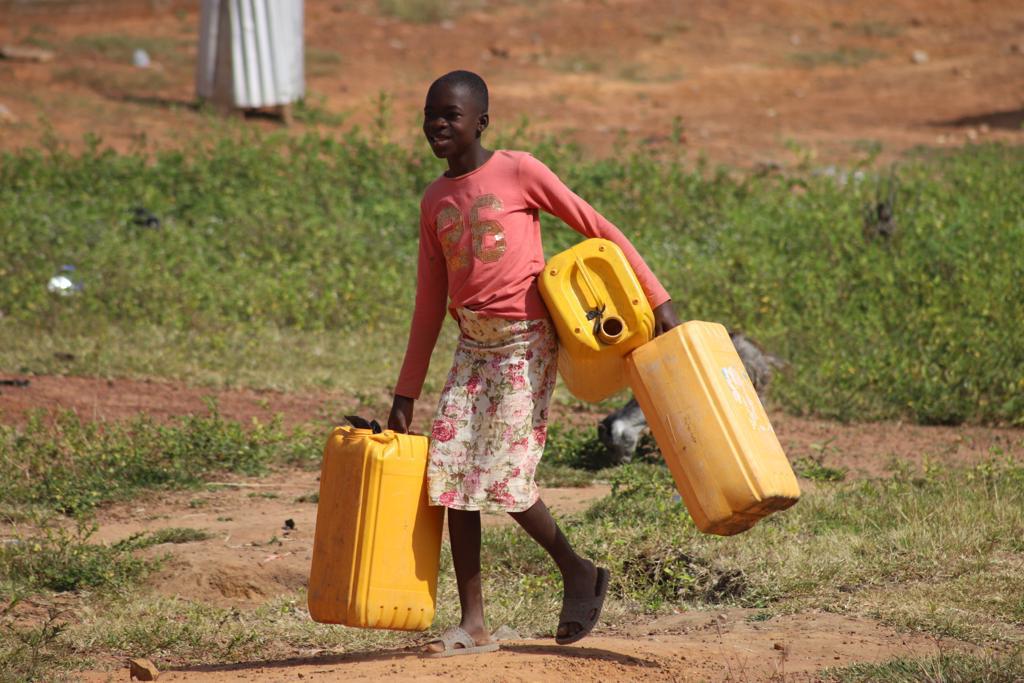
Illegal mining has polluted major rivers, including the Pra, Ankobra and Offin, forcing water utilities to spend more on treatment and threatening supplies to downstream communities. The country’s daily water demand is estimated at about 350 million gallons, far above production of roughly 220 million gallons, highlighting pressure from population growth, ageing infrastructure and environmental degradation.
Higher treatment costs linked to polluted raw water have also fed into recent tariff adjustments announced by the Public Utilities Regulatory Commission (PURC).
The global NGO, WaterAid, warned in 2024 that illegal mining had forced the Ghana Water Company Limited to cut supplies sharply in some areas, affecting hundreds of thousands of residents.
At the same time, heavy debt-service obligations have constrained spending on water infrastructure and enforcement.
A Senior Researcher at the African Center for Economic Transformation (ACET), Dr. Frank Adu, said debt-relief agreements could include binding ring-fencing provisions so that fiscal space from lower debt servicing is earmarked for water, sanitation and watershed protection.
“Debt-relief deals can also adopt debt-for-development swaps, where part of a country’s debt is cancelled in exchange for verified domestic investment in projects such as river rehabilitation, treatment infrastructure and irrigation systems,” he said, adding that transparency and monitoring would be key to ensuring funds are not diverted.
The government has previously pledged to clamp down on illegal mining and restore polluted water bodies, but enforcement has been uneven, with widespread destruction still ongoing in some known mining communities, according to environmental groups.
Experts said clearer allocation rules, public reporting and independent oversight would help ensure that any debt-relief gains translate into lasting improvements in water security and environmental protection, rather than being absorbed by recurrent spending pressures.
This was in response to how debt relief frameworks can ensure that released resources are invested in protecting water sources and addressing threats such as illegal mining in Ghana, especially considering the country’s high debt servicing costs.
This discussion took place during a press briefing organised by the African Forum and Network on Debt and Development (AFRODAD), on the 39th Summit of the African Union (AU), which focused on the interconnected debt and water crises in Africa.
Also contributing to the discussion, the Interim Executive Director, AFRODAD, Dr. Yungong Theophilus Jong, added that outcomes depend on the type of debt?restructuring framework and its workout conditionalities.
He posited that the restructuring design determines how much resource is freed up and whether it is ring?fenced for social expenditure.
“Good debt governance, responsible borrowing, strong public finance management, extractive?sector regulation and parliamentary oversight are essential to ensure freed resources fund citizen?focused investments rather than non?developmental uses.
Political coordination and implementation capacity at national and continental levels are critical to translate policy recommendations into actionable investments.”
The AU Summit came at a time when parts of East Africa are grappling with a drought-driven humanitarian crisis affecting about 4.6 million people, underscoring the continent’s vulnerability to climate shocks and weak water infrastructure.
Aid agencies warn that prolonged dry spells are straining food supplies, livestock and rural livelihoods, while governments face rising costs to provide emergency water and sanitation services.
Across Africa, an estimated 400 million people lack access to safe drinking water, according to continental development agencies, even as population growth and climate change intensify pressure on rivers, aquifers and dams.
The AU Commission has designated 2026 as a year to accelerate progress on sustainable water availability and sanitation, placing the issue at the centre of discussions on development finance and infrastructure investment.
Debt sustainability is also high on the agenda. The G20’s Common Framework, designed to speed up debt restructuring for low-income countries, has been criticised by African policy-makers and civil society groups as slow and limited in scope.
Several African countries, including Zambia and Chad, waited years for agreements, while negotiations with private creditors have often lagged behind those with official lenders.
Finance experts say delays and uneven burden-sharing have reduced the fiscal space available for investment in water systems, health and other public services.
The post Ring-fence debt-relief savings for water protection, anti-illegal mining push appeared first on The Business & Financial Times.
Read Full Story













Facebook
Twitter
Pinterest
Instagram
Google+
YouTube
LinkedIn
RSS