


Concerns surrounding Ghana’s Ewoyaa Lithium Deal have intensified, following allegations by the Honorary Vice President of IMANI Africa, Mr. Bright Simons and questions raised by the parliamentary minority caucus. Both parties warn that the agreement presented to Parliament may have transparency gaps and potential misrepresentation, raising serious questions about whether the state is being forthright on one of the country’s most strategically important mineral resources.
In a story carried by The Chronicle, under the caption:“IMANI’s Bright Simons alleges transparency gaps in Ghana’s Lithium deal”, Mr. Simons alleged that key aspects of the lithium agreement between Atlantic Lithium, through its wholly owned Ghanaian subsidiary, Barari DV Ghana Limited, and the Government of Ghana have been misrepresented to the public. Chief among these concerns is that prospects for local lithium refining have been overstated, while royalty arrangements and parliamentary disclosures lack sufficient clarity.
According to Mr. Simons, successive ministers responsible for mining have presented Atlantic Lithium as willing to refine lithium in Ghana, yet privately accepted the company’s conclusion that local refining is not commercially viable. Citing a confidential source, he revealed that although the lease agreement requires Atlantic Lithium to conduct a “scoping study” on refining, such a study had already been completed in 2024, concluding refining in Ghana was uneconomical. He further alleged that the company underestimated Ghana’s lithium resource base, which IMANI says it will address in more detail.
IMANI has also accused the state of sidelining civil society organisations (CSOs) from engagement on the deal, contrary to President John Dramani Mahama’s commitment to inclusive governance. The Honorary Vice President of IMANI Africa criticised the royalty framework presented to Parliament, describing it as a sliding-scale model not backed by transparent fiscal analysis. He questioned the baseline royalty of 7 percent, noting analysts recommended no less than 10 percent, which could still leave investors profitable while ensuring Ghana captures fair value.
Adding weight to these concerns, the minority in Parliament raised issues with the deal at a press conference, a development The Chronicle reported. They called for transparency and clarification on refinery plans and fiscal terms, showing that apprehensions about the Ewoyaa Lithium Deal are not confined to civil society. The combined scrutiny from both CSOs and Parliament suggests the deal, as presented, may fail to maximise benefits for Ghanaians.
The Chronicle finds the government’s handling of the Ewoyaa Lithium Deal troubling. If IMANI’s concerns are even partially accurate, the agreement cannot convincingly serve Ghana’s long-term national interest. The state’s reluctance to engage CSOs and respond to parliamentary concerns heightens public suspicion. While government officials insist 7 percent is competitive, experts argue otherwise, exposing a lack of transparency around fiscal modeling and fueling fears Ghana may again undervalue its strategic resources.
History shows that Ghana, like many African countries, has often settled for crumbs while foreign partners take the lion’s share. Examples from Botswana and Tanzania demonstrate that stronger negotiation, transparency, and accountability can yield fairer outcomes.
The absence of a lithium refinery is also concerning. Successive governments have raised public expectations about industrialisation and jobs linked to lithium mining. Communities such as Mankessim in the Central Region are counting on these opportunities and have reportedly threatened demonstrations over delays in ratifying the deal.
The Chronicle believes it is imperative that the state comes clean about the true nature of the agreement between Ghana, Atlantic Lithium, and Barari DV Ghana Limited. Selective disclosures and vague assurances will no longer suffice. If lithium is to become a catalyst for sustainable development rather than another squandered opportunity, the process must be anchored in transparency, inclusive engagement with CSOs and Parliament, and a clear commitment to ensuring fair value for the Ghanaian people.
For more news, join The Chronicle Newspaper channel on WhatsApp: https://whatsapp.com/channel/0029VbBSs55E50UqNPvSOm2z
The post Editorial: Ewoyaa Lithium Deal Under Fire: Are Ghanaians Being Kept In The Dark? appeared first on The Ghanaian Chronicle.
Read Full Story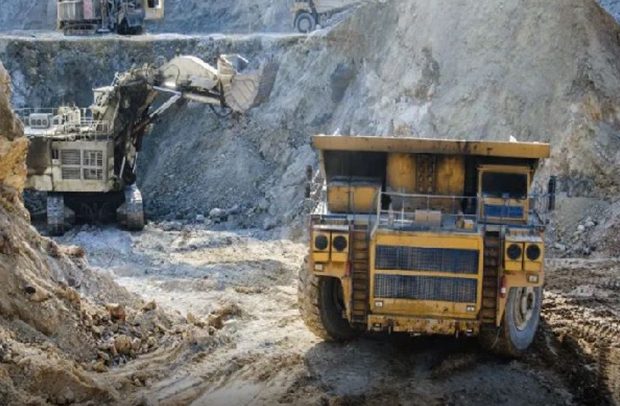




Facebook
Twitter
Pinterest
Instagram
Google+
YouTube
LinkedIn
RSS