


A nationwide coalition led by the Institute for Liberty and Policy Innovation (ILAPI) has stepped up pressure on authorities and the public to confront illicit trade and smuggling, warning that the growing shadow economy is draining state revenue and exposing consumers to dangerous products.
The group, working with government agencies and civil society partners, has concluded a Nationwide Anti-Illicit Trade Road Walk Awareness and Education Campaign across three regions – Tamale in the Northern Region, Kumasi in the Ashanti Region and Accra in the Greater Accra Region.
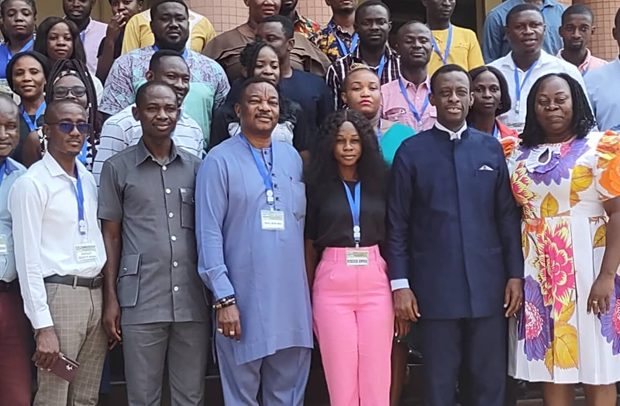
Held between December 1 and 20, 2025, the campaign brought together more than 720 participants, more than twice the initial target of 300, including officials from the Ghana Revenue Authority (Customs Division), the Food and Drugs Authority, the Ghana Police Service, the Ghana Immigration Service, the Environmental Protection Agency, as well as health professionals, students, community volunteers and civil society organisations.
The Chief Executive Officer (CEO) of ILAPI, Peter Bismark Kwofie, said illicit trade is far from a victimless crime.
“It weakens our economy, erodes government revenue and exposes our youth to dangerous products,” he said. “This campaign was designed to take the conversation directly to the streets and markets, where the impact of illicit trade is most deeply felt.”
Illicit trade and the smuggling networks behind it continue to threaten Ghana’s economic stability, public safety and public health, affecting sectors ranging from pharmaceuticals and food items to textiles, alcohol, tobacco and other consumer goods.
The problem persists despite sustained efforts to tighten border controls, strengthen enforcement and deepen inter-agency collaboration. Structural weaknesses – including porous borders, large tax differentials and increasingly sophisticated smuggling networks – have continued to blunt those gains.
“When illicit trade thrives, the government loses revenue needed for development and legitimate businesses are crowded out,” Mr. Kwofie said. “Addressing this challenge requires sustained collaboration between government agencies, civil society and the public.”
The road walks were deliberately routed through busy commercial corridors and market areas to allow direct engagement with traders, transport operators, market women, students and the general public.
Participants distributed educational materials and held conversations on the economic, social and health consequences of illicit trade, while highlighting links to broader criminal activities such as counterfeit goods distribution, smuggled alcohol and illegal mining.
Accra recorded the largest turnout, a signal, organisers said, of rising public concern about how illicit trade is undermining livelihoods and national development.
The campaign also showcased strong inter-agency cooperation. Police escorts ensured safety during the walks, while regulatory bodies used the platform to educate citizens on existing laws, enforcement procedures and civic responsibilities.
“The success of this campaign shows what is possible when institutions work together with citizens toward a common national goal,” Mr. Kwofie noted.
“Awareness is the first line of defence against illicit markets, and this initiative has laid a solid foundation for sustained action.”
ILAPI said it will continue to push for policies that promote legitimate trade, youth empowerment, public health and economic integrity, urging government, business and communities to build on the momentum generated by the roadshow.
The post Group decries slide in gov’t revenue, leads nationwide roadshow against illicit trade, smuggling appeared first on The Business & Financial Times.
Read Full Story




Facebook
Twitter
Pinterest
Instagram
Google+
YouTube
LinkedIn
RSS