


By Samuel SAM
Prof. Gordana Kranjac-Berisavljevic, a Professor of Agricultural Engineering at the Department of Agricultural Mechanisation and Irrigation Technology at the University for Development Studies (UDS), has called for a stronger climate information services system to support smallholder farmers, especially in rural communities.

She said an efficient system would help farmers turn climate risks into manageable decisions, protect livelihoods and increase food production without requiring additional land or water resources.
Prof. Gordana noted that limited technology access and low literacy levels continue to hinder rural farmers—particularly women—from obtaining accurate weather information, modern farming technologies and good agronomic practices. This, she said, affects food production and contributes to rural-urban migration.
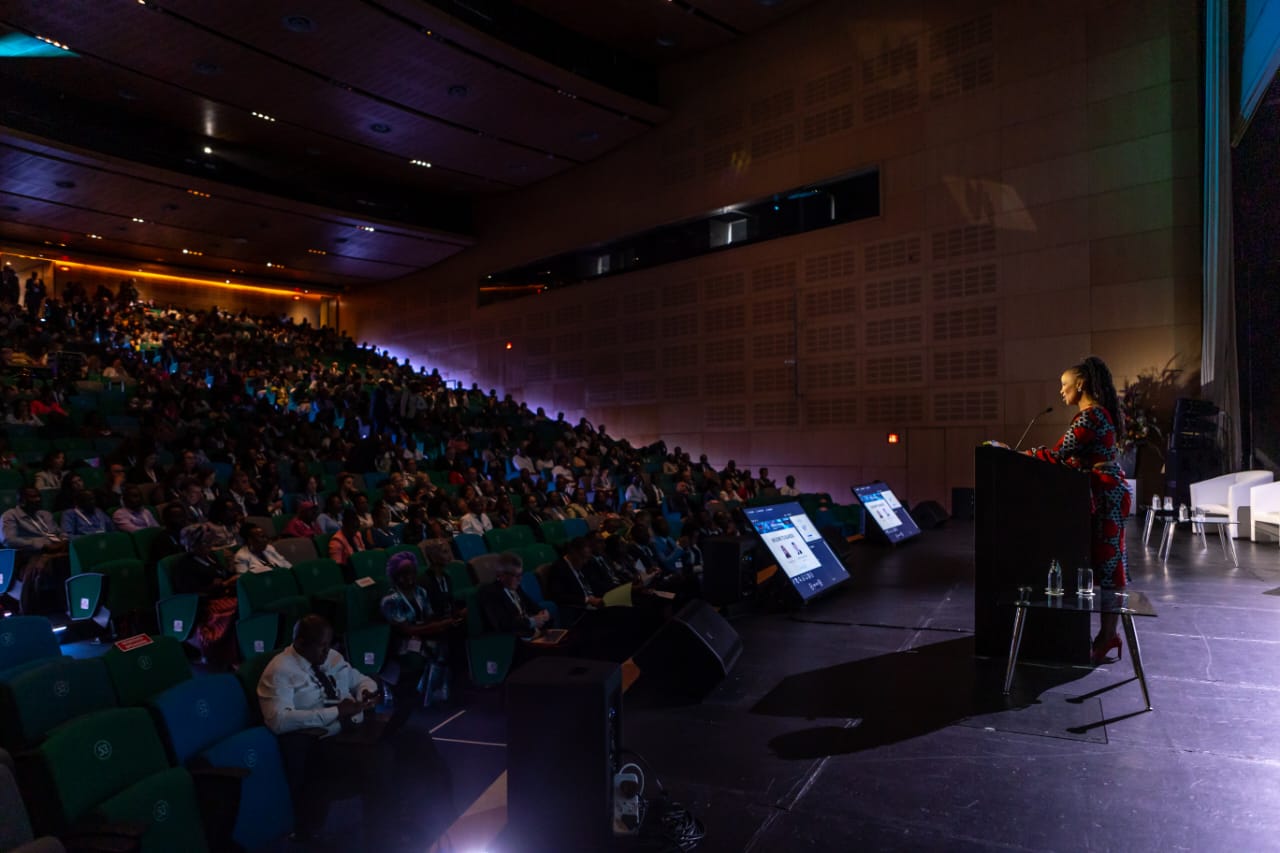
She made the call at a two-day “Safeguarding African Foodsheds and Ecosystems for All Actors Across Local, Regional and International Levels to Manage Migration (SAVE4ALL Africa)” living-labs workshop, held at the West African Centre for Water, Irrigation and Sustainable Agriculture (WACWISA) conference hall on the UDS Nyankpala campus.
The event, organised by WACWISA-UDS and funded by the European Union’s Horizon Europe research and innovation programme, focused on strengthening food security, disaster management and migration responses. It aimed to support local and regional actors to better safeguard African foodsheds and build community resilience in Ghana, Kenya and Zimbabwe.
The workshop brought together stakeholders working in food security, climate change, migration and gender to discuss practical ways to enhance decision-making and resilience-building.
Prof. Gordana added that the project also seeks to improve gender dynamics in the use of mobile applications for accessing agricultural information. “We have observed that young people use these apps much more than older people. We want those with higher literacy levels to be able to use them more effectively,” she said.
Guus Wiersma, Project Manager at Delft University of Technology, said SAVE4ALL is developing climate information services through a co-development approach. He explained that technology developers are working on mobile applications that provide smallholder farmers with weather data and climate services to support farm management.
“We facilitate open discussions on what people need and what is currently being developed, ensuring that gender, climate change and migration issues are integrated into the tools,” he said.
He noted a significant gender imbalance in access to climate information, which also affects livelihoods and contributes to migration.
Prof. Sylvester Ayambilla, Development Economist and Applied Research Coordinator at WACWISA, said the Centre continues to train young men and women to deliver practical and sustainable solutions in water resources, irrigation, agricultural development and climate change.
Established in 2019 as a semi-autonomous Centre of Excellence at UDS, WACWISA undertakes research and training in irrigation, drainage, water resources management, sustainable agriculture, climate change and food and nutrition security.
“We build the capacities of trainees and graduate students through short courses and postgraduate programmes, and undertake applied research to develop locally sustainable technologies,” he said.
The post Prof. Gordana calls for improved climate information services appeared first on The Business & Financial Times.
Read Full Story





Facebook
Twitter
Pinterest
Instagram
Google+
YouTube
LinkedIn
RSS